
 EN
EN
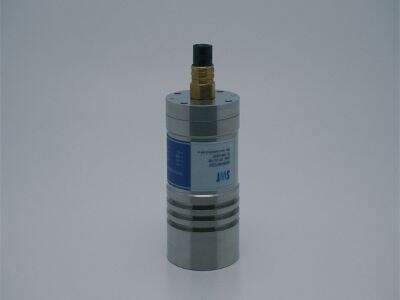
As a ship glides across the ocean, it repeatedly emits numerous sound waves, or pings, to observe what is beneath. These pings eventually bounce off the seafloor, but initially they are just a raw set of signals. Translating these signals into useful and helpful maps, however, is not easy. That is where multi beam data processing software comes in. This software takes all of those noisy, scattered pings and straightens them out into smooth, accurate pictures of the ocean floor. At Seaward, we concentrate on making it better, and easier to do that, helping people see below the surface in ways they never had before. The journey from raw pings to detailed maps is an elaborate one, and understanding it explains why good software really matters.
Essential for High-Quality Seafloor Mapping
When ships run multi beam sonar scans of the ocean floor, they come back with hundreds of thousands of sound pings per second. Those pings don’t come through cleanly, they have noise, errors and occasionally holes in them. The maps the researchers produced would be fuzzy or flat wrong without sufficient processing. multi beam echo sounder is important because it cleans, corrects and organizes this large pile of raw sound information. For example, the software erases echoes caused by waves or fish, which could otherwise produce false bumps in the map. It also corrects the data for the ship’s motion. Imagine a ship tossing on waves if the software did not correct for its position and angle, those differences could cause the map to read out as twisted or canted.
We understand this at Seaward, from our experience in delivering marine projects globally. Our tools correct gently, using sensors that monitor the ship’s speed, direction and tilt. That way, each ping is overlaid on the correct spot on the map. Another challenge is merging data from several beams. Multi beam sonar sends fan-shaped beams of sound across broad swaths. They overlap beams and need to be seamlessly combined. Our software mosaicks these beams together, like pieces of a puzzle, to produce seamless seafloor images.
Get Trustworthy Multi beam Data Processing Software
For large marine projects, such as mapping entire coastlines or underwater pipelines that task of crunching massive amounts of multi beam data has long been a difficult nut to crack. And not every software program can process so much information so rapidly and accurately. Our tools can quickly handle pinging millions of times, meaning less time and effort for you. Speed is important, of course; but its got nothing do with anecdote accuracy. With our program and smart algorithms, we an process super fast and keep the maps accurate. This fine-tuned harmony is difficult to strike, but it’s one that Seaward has perfected over years of testing and refining.
What Are the Multi beam Common Data Processing
Multi beam data processing is a particular method for converting many sound signals, known as pings and received in two or more broad swaths of ocean floor below a ship into clear maps of the ocean floor. Yet this isn’t simple, as a number of issues can cause distortion in the maps. Noise in the data is one challenge that is frequently encountered. Noise is defined as any unwanted sound or signal that interferes with the true information. For instance, sound can reflect off fish, bubbles or the surface of the water, which can make it more difficult to see the actual shape of the sea floor. The survey boat and its movement is another problem. Waves and wind can cause the boat to move up, down or from side to side, affecting how the sound signals are transmitted and received. This movement can introduce errors of data if not properly adjusted.
Seaward’s highpressure underwater lighting solutions is developed to address these issues. First, it applies special filters to eliminate noise from the raw pings. These filters look for patterns that are not consistent with the seabed and filter out these signals. Second, the software is derived from sensors that monitor movement of the boat itself. This information corrects the position of each ping so that on a map you see its true location on the ocean floor. Third, the software can account for shifts in water conditions, such as temperature and salinity, which affect how quickly sound travels. By addressing these problems, the Seaward software ensures that the maps are accurate and trustworthy. These solutions are enabling scientists and laborers to have confidence in the maps they rely on for investigating and managing underwater areas.
How Advanced Multi beam Data Processing Software Benefits Wholesale Buyers
The latter has a lot to offer wholesale buyers that are procuring and using many water quality investigation or software licenses for their work, and which want to use alternative data processing tools such as those from Seaward. When customers purchase this potent software package, they open up opportunities to enhance the speed and quality of their marine surveys. That allows them to move a tremendous amount of raw data more quickly and turn that information into detailed maps with very little time spent debugging errors. For the wholesale buyers who need to cover big jobs or many sites, such efficiency helps save money and ensure that they meet deadlines.
Software from Seaward is make-easy-to-learn and use for experts or novices
This enables teams to get up and running with software more quickly and make fewer mistakes. This means less time spent in long periods of training for wholesale buyers and gets staff up and running more quickly. The software is also equipped with tools that enable customization, so buyers can adjust the settings to their liking whether they are mapping shallow coastal areas or deep ocean floors. This flexibility allows the use of the software for multiple projects so it represents good value.
What's more, Seaward's multi-beam data processing software also encourages shared use. Wholesale buyers are frequently teams working in disparate locations. The software permits simple sharing of data and results, which helps teams communicate more effectively and solve problems as a team. This collaboration results in better final maps and reports.
Positioning Multi beam Data Processing Software in the Context
Big marine surveys certainly are big projects, and they bring back a lot of information about the sea floor. Such surveys rely on multi beam sonar systems, which send out numerous sound pulses, or pings, that bounce against the seabed and help build maps. The raw data for these pings is so complex, it requires careful processing before it can be used. This is where multi beam processing software, such as Seaward’s, is hugely important in the survey workflow.
The first phase of a marine survey is data acquisition, where raw pings are collected by the sonar.
After cleaning, software assists in converting the corrected data into detailed maps. Such maps accurately represent the shape, depth, and surface features of the seafloor. The software can also generate 3D models to help scientists and planners better understand underwater terrain. Once the maps are prepared, they are applied in a wide variety of ways planning construction work, studying marine life and making navigation safer among them.
Table of Contents
- Essential for High-Quality Seafloor Mapping
- Get Trustworthy Multi beam Data Processing Software
- What Are the Multi beam Common Data Processing
- How Advanced Multi beam Data Processing Software Benefits Wholesale Buyers
- Software from Seaward is make-easy-to-learn and use for experts or novices
- Positioning Multi beam Data Processing Software in the Context