All living things need water to survive, to function. We rely on drinking and using clean and safe water on a daily basis. Seaward empowers water quality with a mission that ensures clean drinking water for all. In this article, we will discuss some of the methods for quality assessment of water.
Pollution occurs when dirties and harmful things enter into water. This happens when people dump trash in rivers or lakes, or when factories pump bad chemicals into the water. Water pollution can threaten the health of fish and plants living in the water, and can also make people sick if they drink or play in the water. The Seaward scientists work tirelessly to figure out where the pollution is coming from and its effect on our water quality.
→ Sometimes river water or lake water is not pure enough to drink. That’s why we have water treatment plants that cleanse the water before it enters our homes. These plants filter the water using special filters and chemicals to make sure that this dirt, bacteria and other harmful things are removed from the water. They look into various water treatment methods, seaward experts to ensure that we are performing well and maintaining the safety of our water.
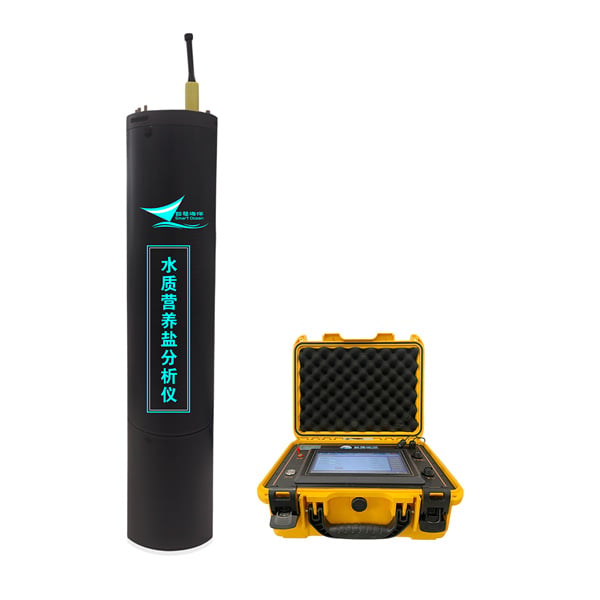
What are they and why are his germs water fleas? — from The Bacterium. Some bacteria are good, helping to keep the water clean, but some can make us sick. Seaward scientists routinely monitor water samples from Bay sites for harmful bacteria. Tracking bacteria can help us ensure our water is safe for consumption, swimming and other outdoor recreation.
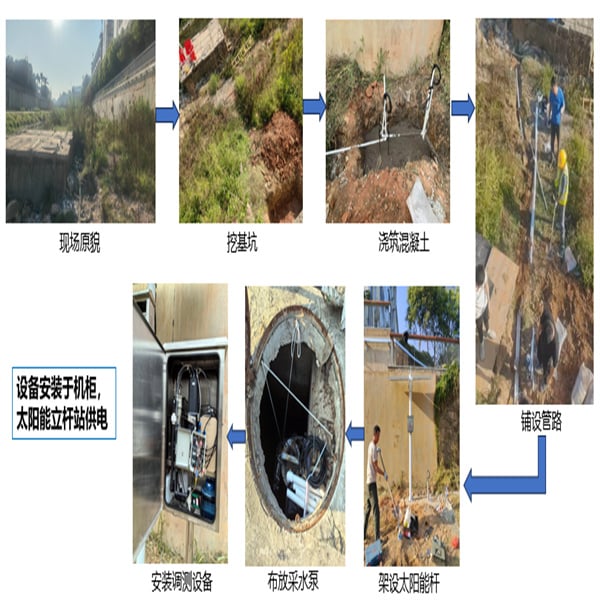
These are man-made chemicals are typically found in water, and harmful if ingested. Some of these chemicals are be produced by factories or farms, while others can be from natural sources, like rocks and soil. Seaward scientists screen for certain harmful chemicals in drinking water and study whether they affect our health. Testing our drinking water allows us to know how we can remove or reduce dangerous chemicals and keep our bodies safe.
Would you consider industrial runoff, when dirty water from factories ends up flowing into rivers or lakes? This water can contain chemicals, oils and other toxins that can harm aquatic plants and animals. To learn how pollution poisons the environment, seaward scientists study the impacts of industrial runoff on aquatic life. Understanding industrial runoff helps us to prevent pollution and protect our aquifers.

 EN
EN