
 EN
EN
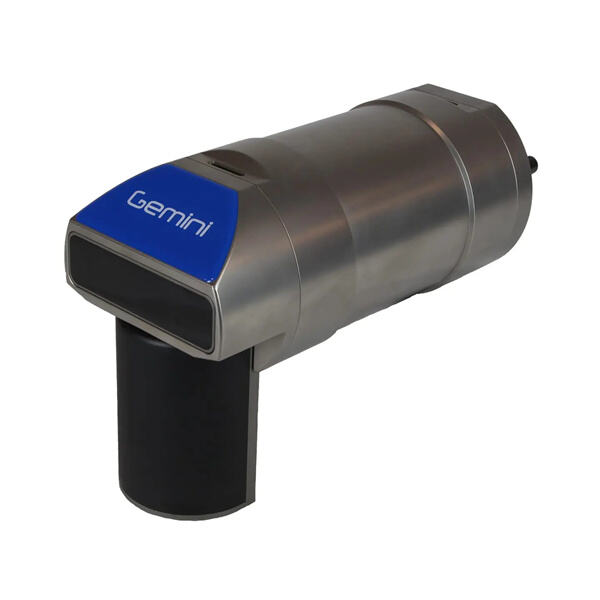
Multibeam sonar technology is a powerful tool that enables people to see under the water in ways eyes or cameras cannot. It sends many blips of sound in a fan pattern beneath a ship or boat. When those sound waves encounter something in the water — rocks or a shipwreck, say — they bounce back. A sonar system listens for the echoes and paints detailed images of sea floor and any objects that may reside there. It helps sailors and scientists navigate without running into trouble and better understand what lies beneath the waves. We make our Multibeam sonar systems at Seaward tough and vivid so that we can spot tiny things lurking beneath wave tops.
Why Multibeam Sonar is Best for Wholesale Underwater Survey Equipment
It can be a little murky to decide on which underwater survey equipment is best, since you don’t want to get something that limits you in other environments. This is where Multibeam sonar shines because it can survey a very wide area at the same time. Instead of beaming one sound straight down, it beams many side by side, like a giant flashlight shining into the water. This enables it to quickly map large areas and show the shape of the ocean floor quite distinctly. When Seaward’s team of engineers created its sonar devices, they concentrated on providing for such wide-split coverage in a manner that is rugged and user-friendly. And Multibeam sonar is versatile in another important way: it works well both in shallow water and deep water, something that matters to a lot of projects. At other times the water is murky or contains float sum, but the sound waves nevertheless travel, more than well enough for sonar to be useful, even in near-zero visibility. Another reason it’s ideal: It accumulates large amounts of data very quickly so that anyone does not have to spend days or even weeks going over an area. This is a time and money saving feature (which every buyer desires). And, we take care to ensure that our sonar gear is rugged and won’t break down with a lot of use or in harsh conditions. It’s not just getting sound waves out there; it’s about what picture you’re going to end up with. “Customers, because of Seaward’s Multibeam sonar system, they can actually use the equipment for a variety of applications from scientific research to underwater pipeline construction, Tnin said. Such versatility makes our sonar a logical choice for wholesale buyers wanting reliable tools that work anywhere.
Advantages Of Multibeam Sonar In Generated By Equipment Is The Sole Responsibility Of Marine Projects
For any marine project, discovering underwater obstacles is essential. Hazards can include rocks, old cables, sunken boats or unexpected drops in the sea floor. If these dangers go undetected, they may damage a ship or its equipment — or worse yet, pose further risks from accidents. And Multibeam sonar does its part by providing a very clear image of what’s underneath the water. Seaward’s sonar systems emit numerous sound beams, which bounce back from objects and terrain, giving an idea of shape and size. This allows workers to see precisely where hazards are lurking. For example, if you’re constructing a bridge or laying cables below sea level, it would be important to know whether rocks or wrecks will get in the way. Underwater sonar sensor will enable teams to spot these dangers early so they can plan around them, or remove them safely. Another benefit is accuracy. Our sonar gear picks up on small details that other techniques can miss — just like having super- (underwater) vision. This lowers risk and keeps workers and equipment safe. In addition, Multibeam sonar can scan large areas rapidly in shallow waters, so it is easier to scour a wide area for hazards without missing spots. This turning speed means that construction projects don’t need to halt or reduce as crews run safety checks. At Seaward we know that safety is super critical, so we make sonar systems that offers clear, reliable pictures without fail. Some dangers are mutable or shifting, like sand on the move or fresh debris. We can reuse our sonar to track these changes time and time again, so teams can stay ahead of any new threats. This will allow marine projects to continue moving ahead with greater certainty and less risk.
Multibeam Sonar And Their Solutions - Ensuring Quality By Knowing What To Look For
Multibeam sonar is a clever way to peer underwater, but it has some issues if not used carefully. One common problem is that the sonar waves can ricochet off things in a misleading manner. This is known as “noise” or “false echoes,” and it can be difficult to discern whether what one sees on the screen is real information — or a slip-up. For instance, if there are fish or bubbles, that could interfere with the sonar. Another problem is the weather. In the very rough water or heavy rain, however, sonar signals may become muddled or get lost. So the pictures that are developed might not be perfect. Other times, the machinery isn’t configured correctly. If the sonar fails to make proper contact with the ship or boat, its incorrect signals will neither be sent nor received. This can lead to the data being incorrect or partial.
To prevent these issues, you need to inspect the equipment before using. At Seaward, we ensured easy installation and adjustment of our Multibeamsonar systems. We're going to say that operators should also try their best to pay attention to the weather and not scan during a storm or with big waves. On tranquil days, the sonar works best and produces sharper images. Another means of error reduction is through the use of special software designed for noise removal from the data. This software enables the identification of true underwater features from false echoes. Training is also important. Anyone using Multibeam sonar has to learn to ‘read’ images, and figure out what they are actually looking at. Seaward provides training and support for users to achieve the best results. But by being cautious to set up properly and make the right choices of when to shoot, it’s not as hard or mysterious as you might think to dodge some common pitfalls and get accurate pictures of the underwater world.
How Wholesale Multibeam Sonar Solutions Increase Underwater Exploration Accuracy
It’s like trying to view a hidden world. Multibeam sonar is a powerful tool that can assist with this by using sound to map the ocean floor and listen for echoes. Multibeam sonar sales mean your purchase everything, the Multibeam sonar and professional software package combined. This makes it easier for exploration companies to obtain higher quality data in less expensive ways. And when you purchase a complete system from Seaward, they supply everything you need to get up and running. This includes a sonar device, mounting tools, computers and special programs to translate the sound signals in clear pictures. When everything comes from the same company, all the parts work well together. That cuts down on errors and makes it easier to produce accurate results.
Many distributors also offer better support. At Seaward we also offer training and assistance with set up and use. This translates to the average Joe being able learn to use it fast, right away. The software you get in wholesale solutions is also usually more complex. It can automatically take out errors in the maps and make them look better. That saves time, because explorers do not have to spent hours fixing data. A more general advantage is that wholesale solutions can be made to function in many settings and situations. Whether you are looking into shallow lakes or deep oceans, the equipment adapts to provide clear images. Purchasing wholesale enables you to access quality and proven tools that are durable. It increases one’s confidence in the data that is gathered and assists the scientists, fishermen and engineers to make better decisions.
With wholesale Multibeam sonar solutions from Seaward, divers receive a system that is both intuitive as well as comprehensive and precise. That makes them better able to spot underwater hazards, like rocks or shipwrecks, and helps them understand the shape of the seafloor. It helps one navigate beneath the surface more safely and successfully.
Multibeam Sonar Technology Is Best at Detecting Seabed Features
Multibeam sonar is most effective in situations where we want to know what the seafloor looks like, or whether there might be hazards nearby. One popular spot is by the sea. Here, the water is not too deep and there are often rocks, reefs or shipwrecks for boats to steer clear of. Multibeam sonar is capable of transmitting many sound beams at once, which means it can quickly cover a large area. (Huge regions of the ocean have actually never been mapped properly; this is useful in making accurate maps of the seafloor’s shape and objects which stick up or are hidden.) Here at Seaward, our sonar equipment is set up to perform well in these waters so that fishermen and sailors can stay as safe as possible.
Another good area of Multibeam sonar is harbors and ports. They are areas where ships must be enabled to dock, and must do so very safely. Sand or mud may also sometimes build up and shallower the water. Multibeam sonar is able to view these shifts to enable the workers to know where to dredge or clear the area. It also helps in finding objects at sea which may hinder vessels. It is what makes the process of traveling a bit safer and more convenient. The technology of the Seaward is especially efficient at creating clear images despite the fact that the water is full of noisy boats and pollution.
Multibeam sonar is also of special use in the deep ocean research. Its applications by scientists in studying the submerged mountains, valleys and volcanoes in the ocean depths. These locations are remote areas and highly inaccessible. The sonar allows scientists to come up with 3D maps so that they can research on the way the crust of the earth is moving, or the location where fish live. The sonar of Seaward is very strong and reliable and can serve long durations under these unfavorable conditions.
In every one of these areas Multibeam sonar is making us have an underwater vision of things like we have never had before, along the coasts, the ports and deep oceans. However, with the help of technology, created by Seaward, it is easier to find hazards, research nature and maintain the water travel. That is the extent to which Multibeam sonar can prove to be important in exploring and conserving our sub-aquatic environment.
Table of Contents
- Why Multibeam Sonar is Best for Wholesale Underwater Survey Equipment
- Advantages Of Multibeam Sonar In Generated By Equipment Is The Sole Responsibility Of Marine Projects
- Multibeam Sonar And Their Solutions - Ensuring Quality By Knowing What To Look For
- How Wholesale Multibeam Sonar Solutions Increase Underwater Exploration Accuracy
- Multibeam Sonar Technology Is Best at Detecting Seabed Features