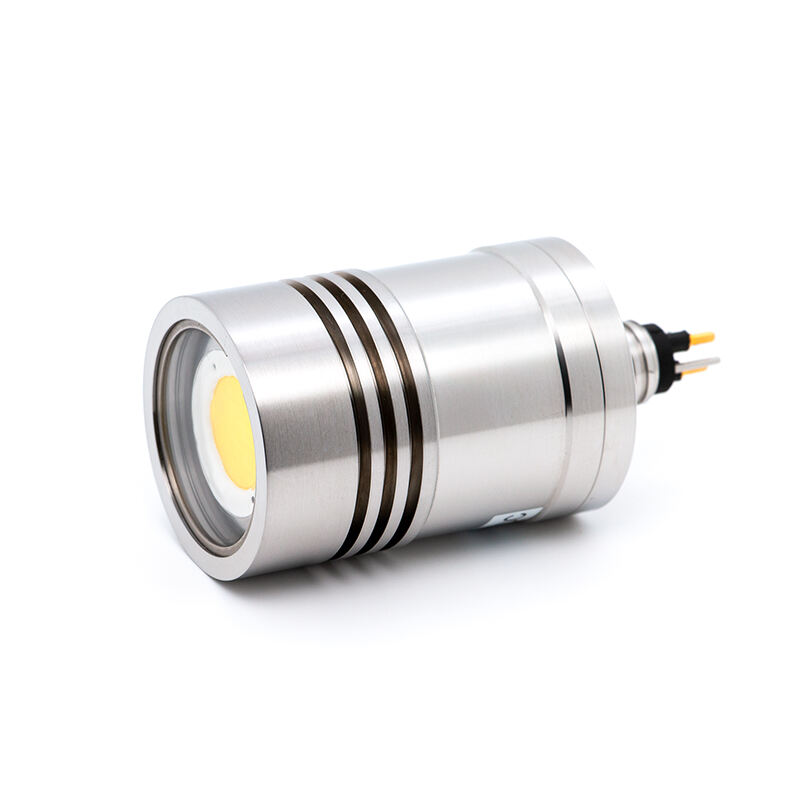
Subsea pipelines are used to transport goods and liquids beneath the ocean floor. They can move oil, gas or other stuff we use day-to-day. Like we check our car to make sure they are in good condition, subsea pipelines also need to be monitored often to find an issues. Enter subsea pipeline inspection systems.
For example, subsea sampling are specialized systems used to assess the condition of undersea pipelines. They deploy cameras, sensors and other equipment to look for problems such as leaks and cracks. These systems are like underwater detectives, in search of clues to make sure the pipelines are safe.
Another way these systems assist is through the use of sensors that measure parameters such as pressure and temperature within the pipelines. Any sudden change may indicate a problem that must be monitored firing our processes immediately. Seabed pipeline inspection systems help prevent larger related issues by identifying these issues early on.
Systems for inspecting subsea pipelines have seen significant advancements over the years. Previously, monitoring the pipelines — which run under water — required divers to check by hand, a dangerous and time-consuming process. Today, there are modern technologies such as robots and drones that can accomplish the task more safely and efficiently.
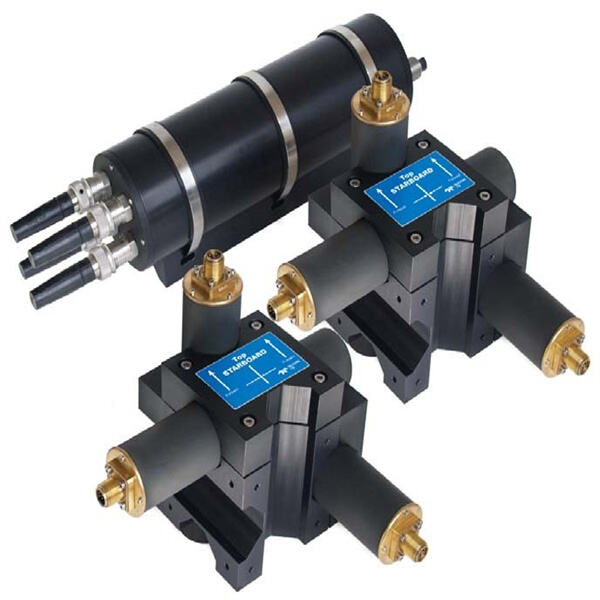
The latest systems can operate in deeper waters and inspect more pipelines in less time. They can also provide us with more specific data on the state of the pipelines and facilitate our decision-making regarding better operation and maintenance of their functionality.
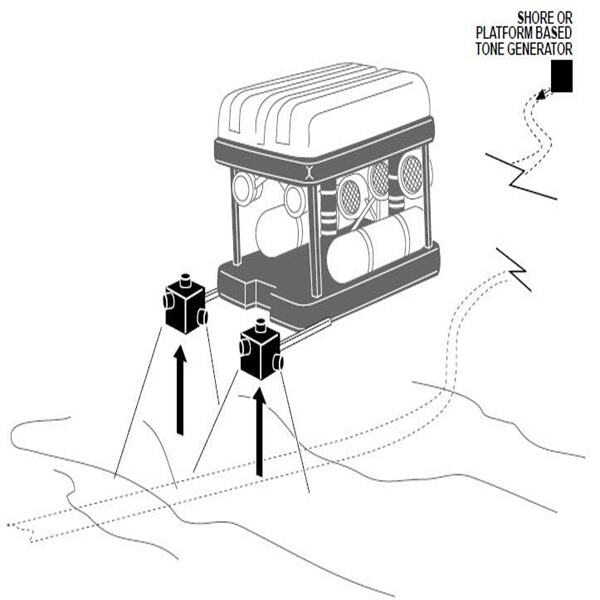
A subsea pipeline inspection is of extreme significance to ensure subsea pipelines are functioning properly and without any hassle. The early and effective detection of problems using subsea pressure transducer can prevent the problems from escalating to become major issues. This prevents leakages, spilling and other accidents that can be a threat to our surroundings and the people living around it.
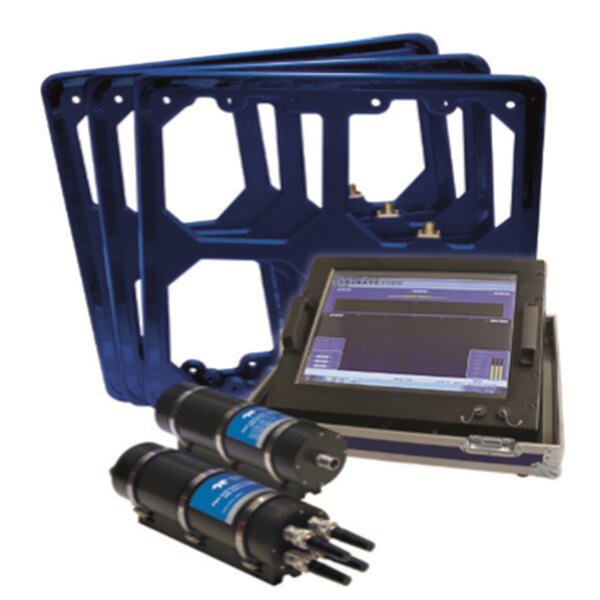
Subsea pipeline inspection systems are crucial in ensuring potential regulation compliance and safety adherence. With the adoption of such systems, companies can prove that they manage: their pipes in a safe way and comply with the rules. This creates trust in the society and the regulators, proving that they are doing their part and care about nature.
 EN
EN