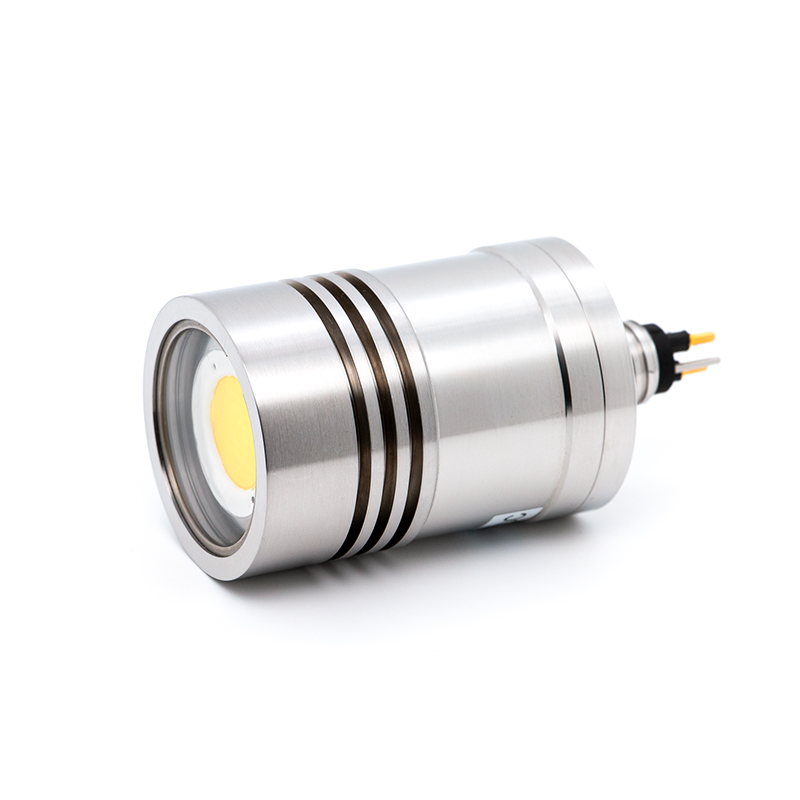
These subsea electromagnetic systems are valuable tools used by scientists and researchers to conduct ocean exploration and gain insight into the ocean's mysteries. There are also remote sensing systems that emit electromagnetic waves to localize and identify submerged objects. Today, we’ll learn more about subsea electromagnetic systems and their applications.
It was subsea sampling that are the devices that use electromagnetic wavelengths to search for objects in water. These systems can be used to locate undersea resources like oil, gas, and minerals. They also assist scientists in studying the ocean bottom and mapping underwater regions in the deep sea.
Searching for valuable resources beneath the ocean floor is one significant application of subsea pressure transducer. These systems emit electromagnetic waves that reflect off various materials underground. By tracking the signals that bounce of the seabed, researchers can determine whether oil, gas, or minerals lie below the seafloor.
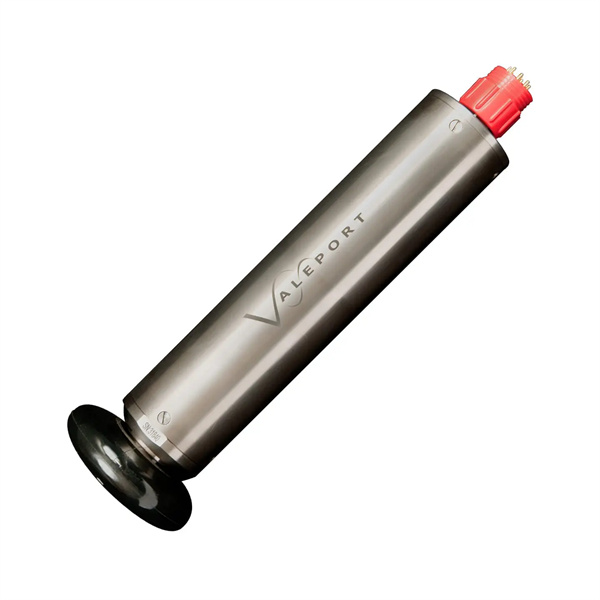
Underwater surveying can be a very useful domain where subsea electromagnetic systems can come to help. These systems allow researchers to create high-resolution maps of the seafloor and analyze its structure. If we lose them, the implications are significant for understanding the ocean and for planning future exploration and study.
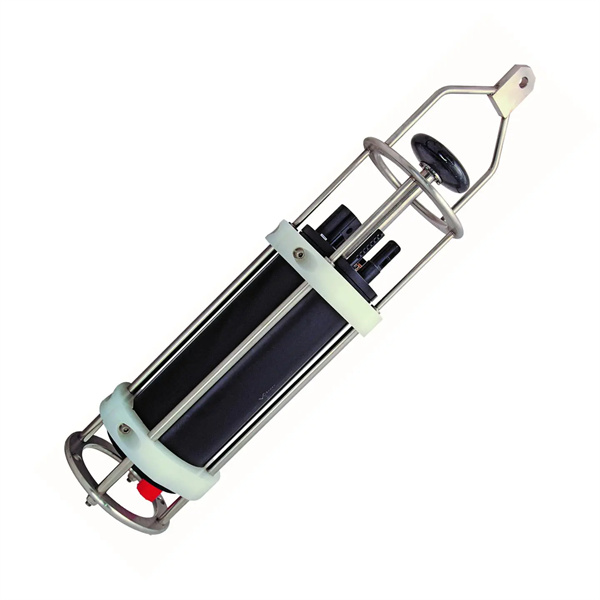
Underwater communication networks also use subsea electromagnetic systems. These systems allow data to flow from underwater devices and relay that information back up to the surface. Through electromagnetic waves, these communication networks are capable of transmitting messages and signals in an extended range underwater.
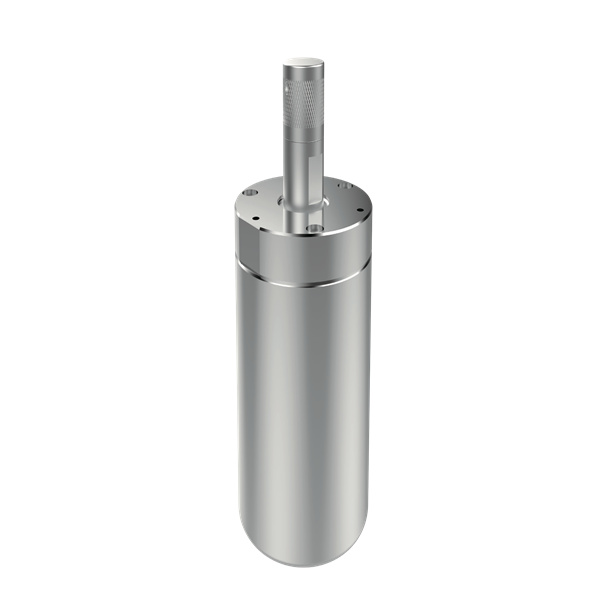
To this end, over the years subsea electromagnetic systems have gotten progressively better and better. Now, these systems are more advanced than ever, and enable researchers to not only explore the deep sea but also study the marine mysteries it hides. These systems also allow scientists to continue studying the ocean and its significance for our planet.

 EN
EN