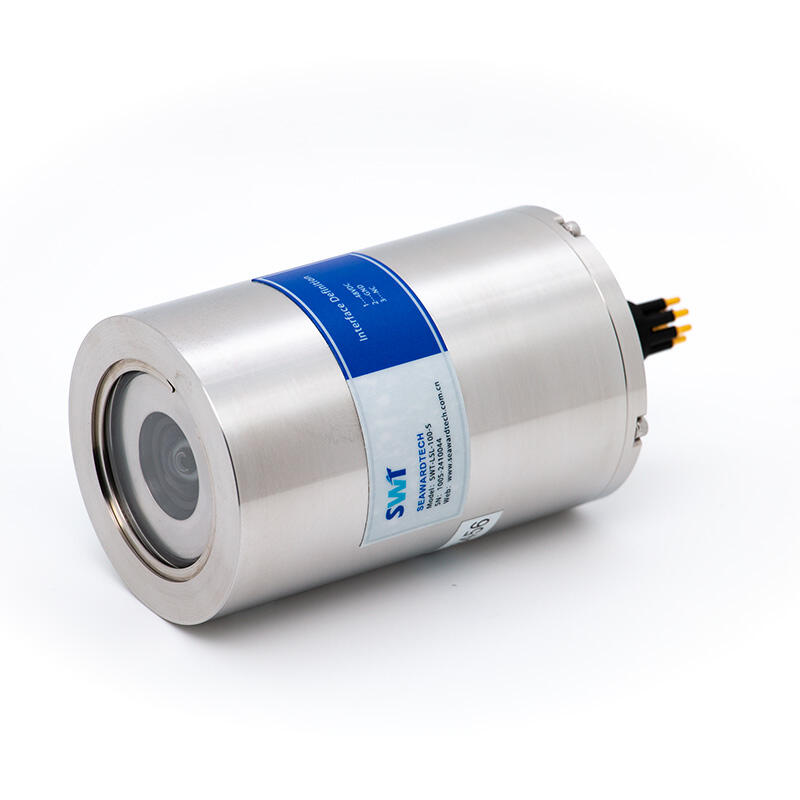
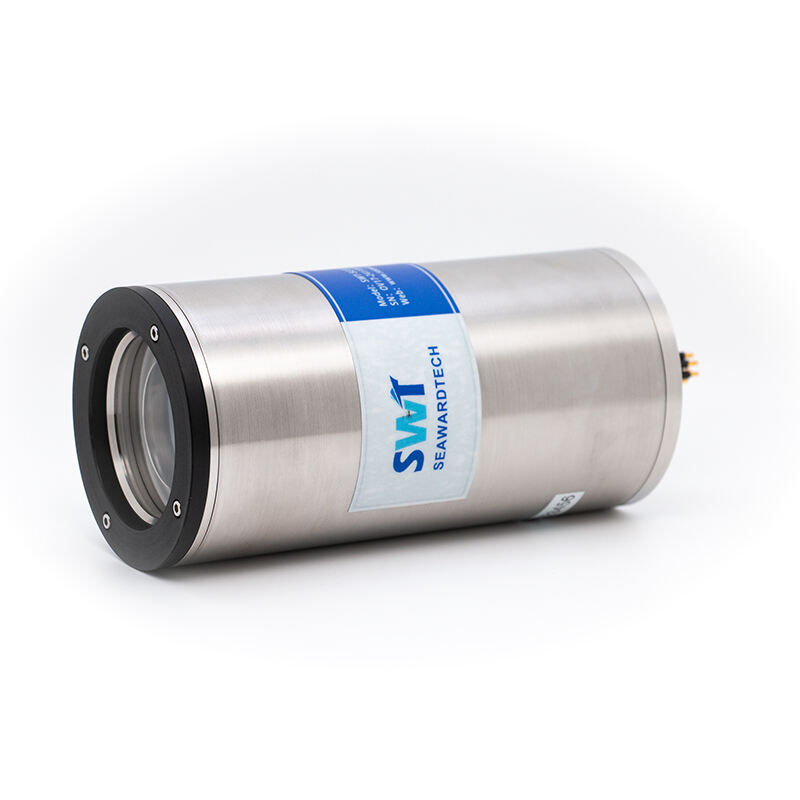
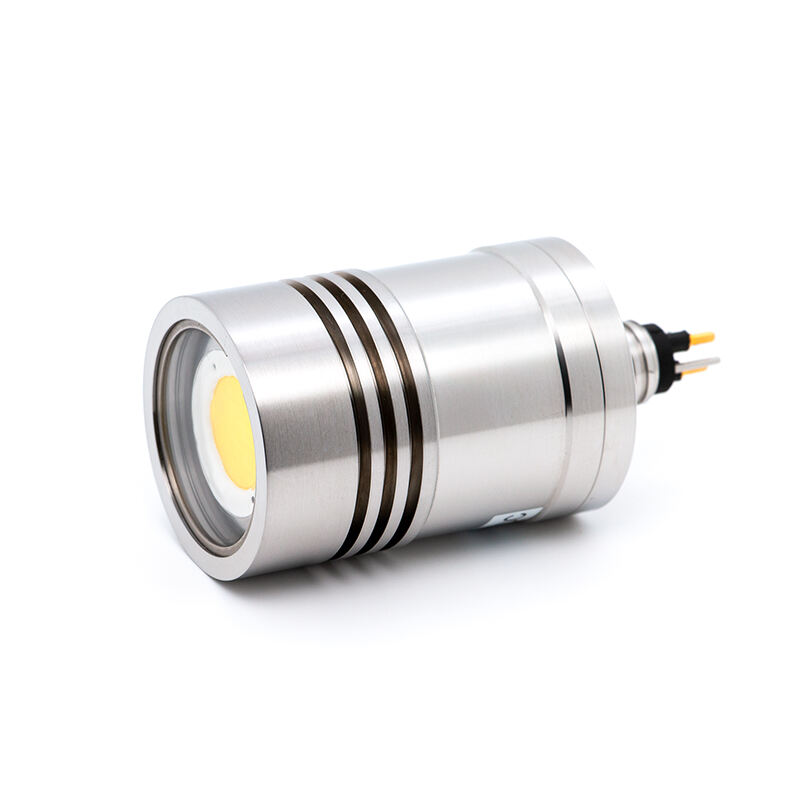
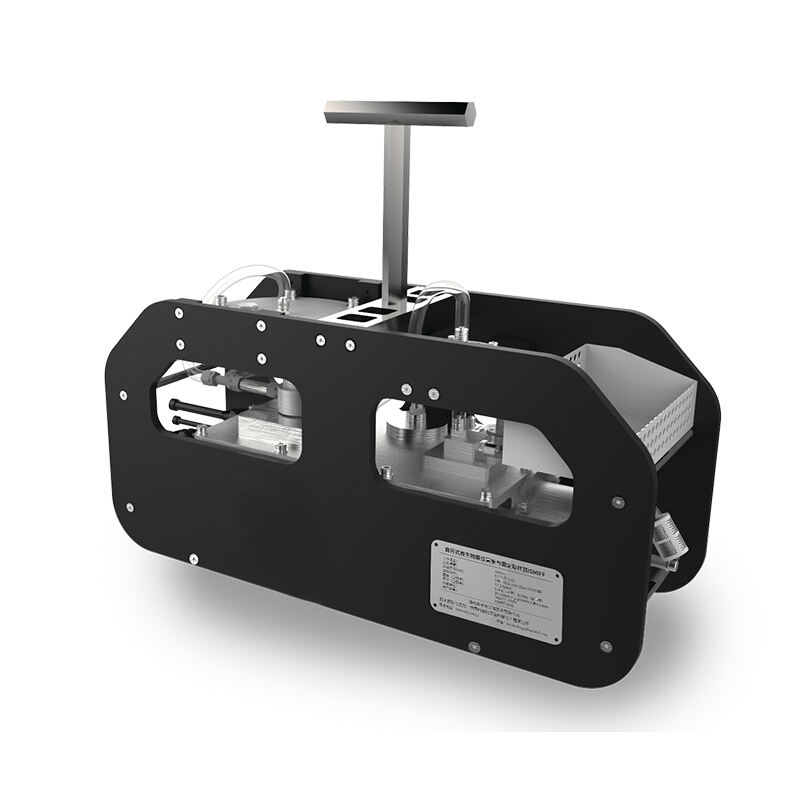
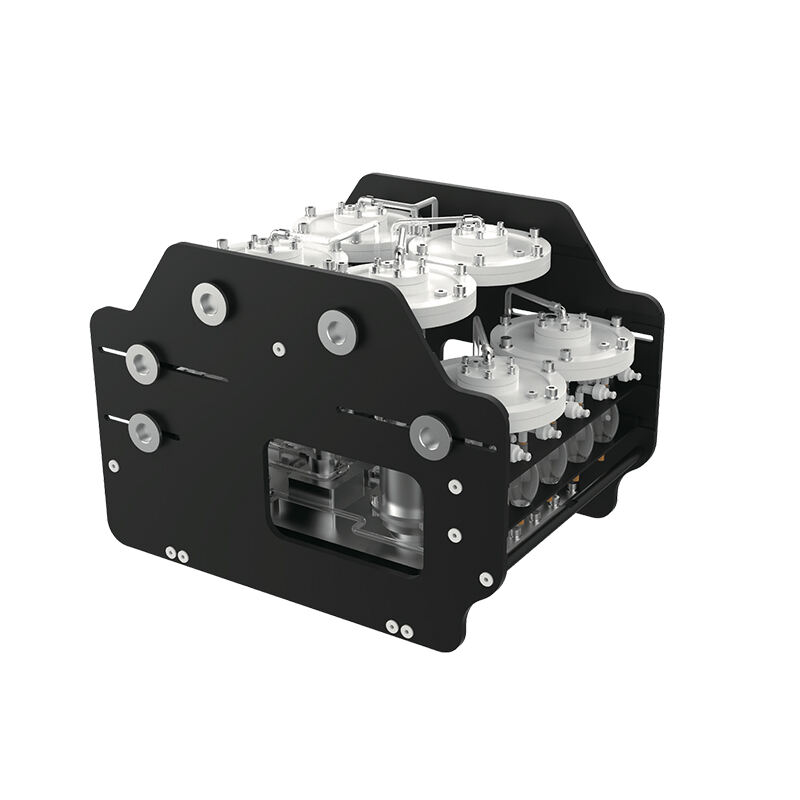
Sediment samplers are tools that scientists use to study the various materials found beneath the water. These materials can be in the form of sand, silt, and clay. Scientists can learn more about the environment by collecting sediment samples from rivers, lakes and oceans with Seaward underwater torque wrenchs.
One of the key jobs of sediment samplers is to find out what sediment is made of in different bodies of water. Scientists can study the layers of the sediment by sampling with, for example, Seaward sediment samplers. This allows them to learn what types of minerals and materials the water contains. Looking at sediment gives scientists better insight into how environmental health may be changing over time.
Sediment samplers being monitored by the environment are also crucial. Scientists can study sediment samples gathered from various locations to observe shifts in the environment and the sources of pollution. Seaward subsea samplings can assist scientists in monitoring water quality and identifying clinical or anthropogenic contaminants in the sediment. It is crucial information for maintaining healthy ecosystems and conserving the environment for generations to come.
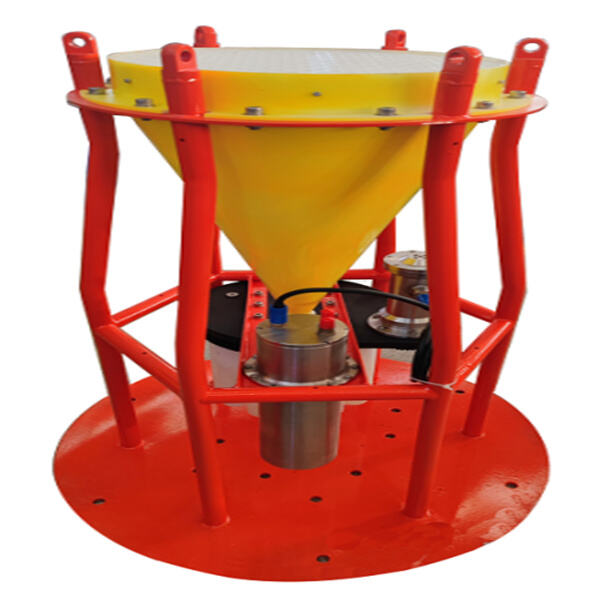
A powerful ability, for example, could be sediment sampling in marine research. Seaward sediment samplers allow scientists to gather samples of the ocean floor and study the organisms and materials that live on it. Sediment samples can reveal details about marine life and ecosystems to scientists. This information aids in marine conservation efforts and maintaining the health of our oceans.
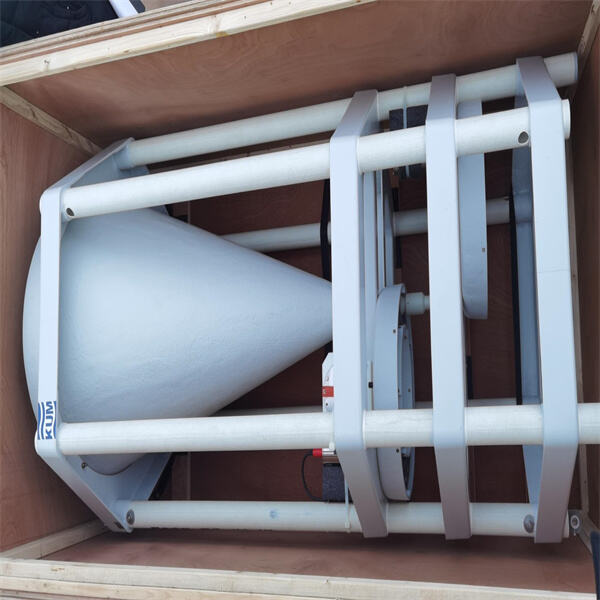
Sophisticated sediment samplers, such as those made by Seaward, allow scientists to investigate how sediment migrates. Scientists can analyze the evolution of sediment by taking samples at varying depths and locations. So it helps them learn about erosive patterns and how the sediment impacts marine ecosystems,” he said. The advanced sediment samplers provide scientists with important information to help restore and protect the environment.
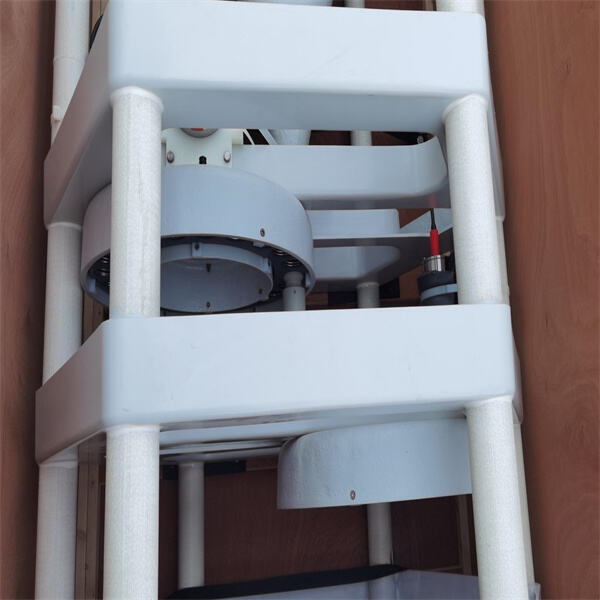
Sediment samplers are also useful to study erosion in rivers and lakes. Simply by Framing sediments over the banks of rivers and both the river and lakeshores, scientists can see how a change within levels of these sediments takes place over intervals of time and the degree of damages that erosion could cause in the ecosystem. Seaward sediment samplers provide direct and accurate measurements of sediment composition, helping scientists identify areas at risk of erosion. Scientists can study the erosion patterns to devise strategies to limit further damage to river, lake and other bodies of water.

 EN
EN