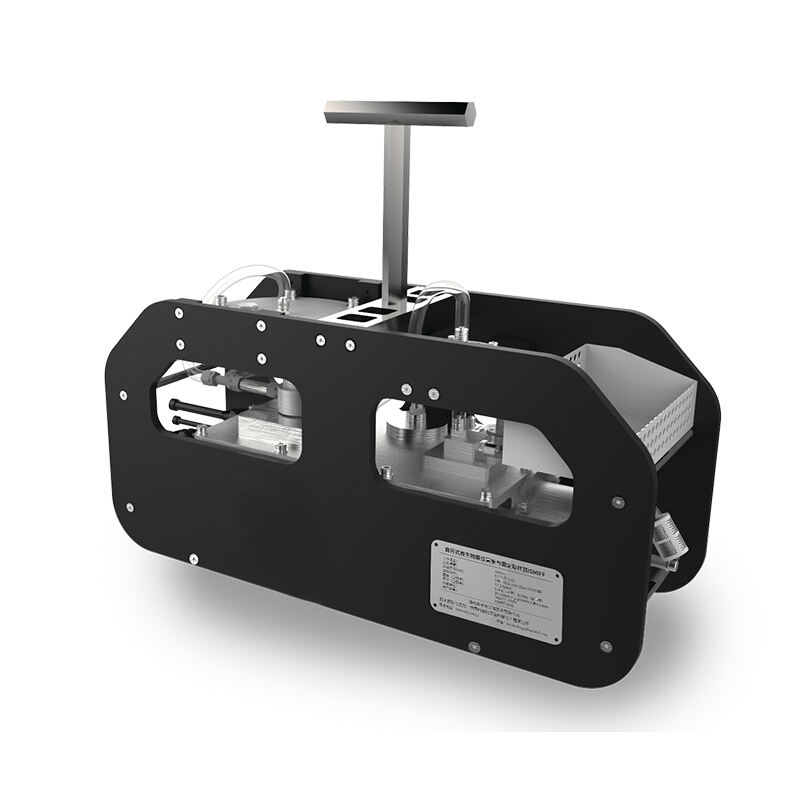
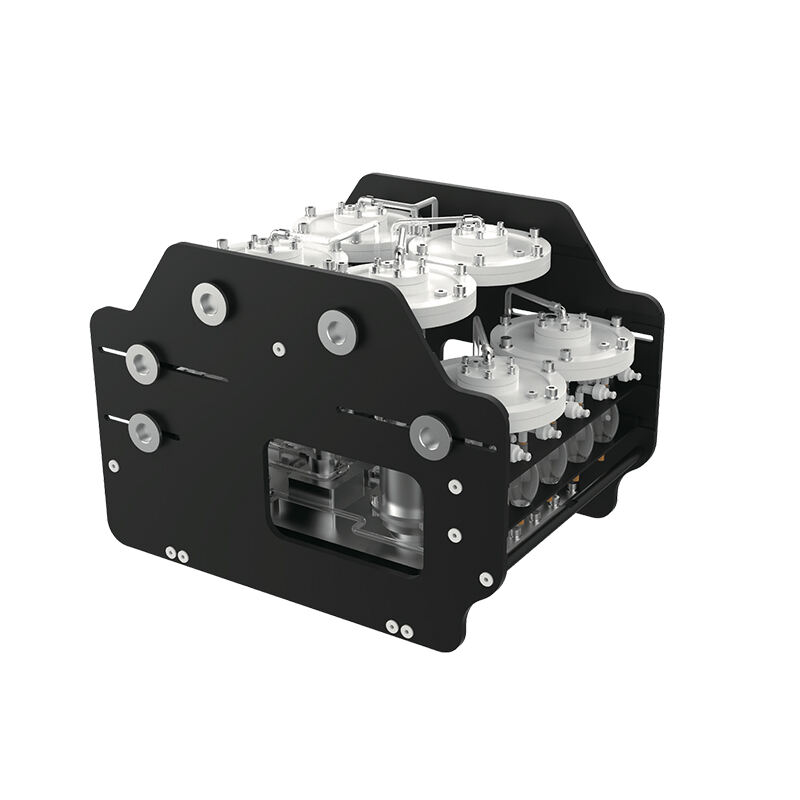
NEW TRIP, please waitExplorer of the deep sea takes a journey through the dark crevasses of the ocean. Special tools help scientists discover what lies beneath the water. And one of those tools is called a underwater torque wrench. This piece of equipment allows scientists to collect samples from the ocean floor.
The gravity core sampler operates like a giant straw that sucks mud and dirt from the ocean floor. It is a critical tool for scientists who are seeking to understand how the planet has changed and how its climate operates. Marine sediment is collected with a gravity core sampler, allowing researchers to study the environment of the past and changes that have occurred over time.
A subsea sampling is a long metal tube with a large heavy weight attached to one end. So the scientists lowered the sampler into the ocean, where gravity did its work, pulling it down, down into the mud at the bottom. Wigging the worst for the sampler, they release the weight, allowing mud and dirt to fill the tube. The samples are then returned to the surface for additional analysis.
The gravity core sampler itself is simple technology, but it works incredibly well. The added bulk allows the sampler to drop more rapidly into the ooze. It is designed to capture sediment samples without disturbing the mud layers so that the original information is preserved. Explorers can learn about what is in the mud and whether it contains fossils or other materials by examining the samples.
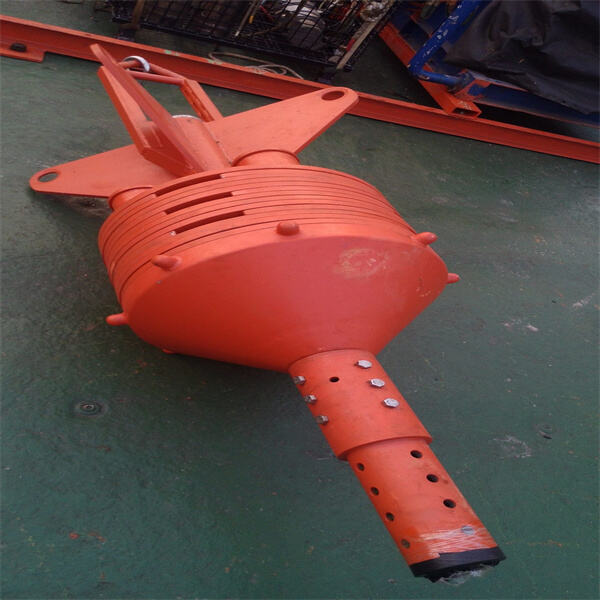
As a researcher studying climate change, I use the gravity core sampler to study how the Earth’s climate has changed over long periods of time. Paleoclimatologist A national expert who studies past climates By drilling into parts of the ocean floor and taking mud samples, I can get an idea of past environments and find patterns that could help us know what may happen with the climate going forward. I work with a gravity core sampler: a specialized tool that allows to extract important data from deep underwater.
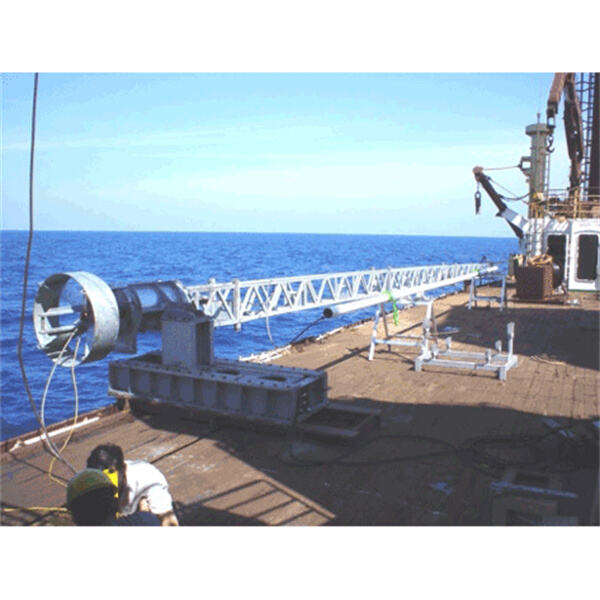
Gravity core sampling plays a very critical role in understanding climate change. It provides us with a record of what past environments looked like. Scientists can read about how Earth's climate has changed over time by looking at the mud samples collected in the gravity core sampler. Knowing this allows us to model future climate changes and devise strategies to safeguard our planet.
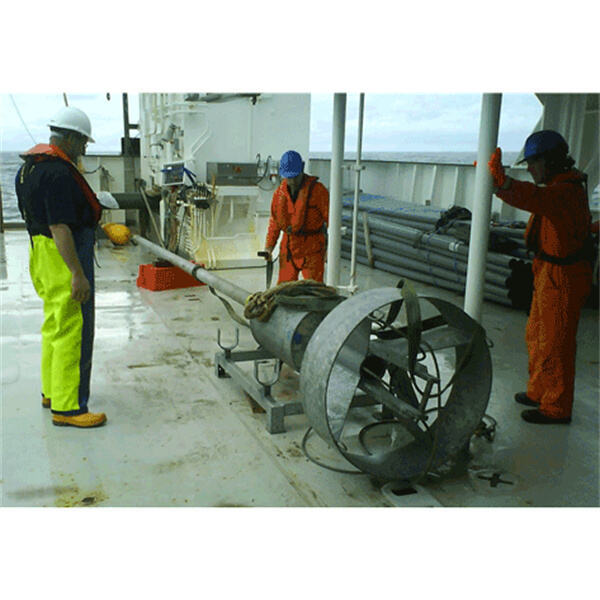
In addition to researching climate change, the gravity core sampler is also used to study ocean environments and their animal inhabitants. Researchers can learn what types of creatures were in those areas and how the environment changed by looking at mud samples from various ocean spots, they say. These are critical details for preserving ocean ecosystems.

 EN
EN