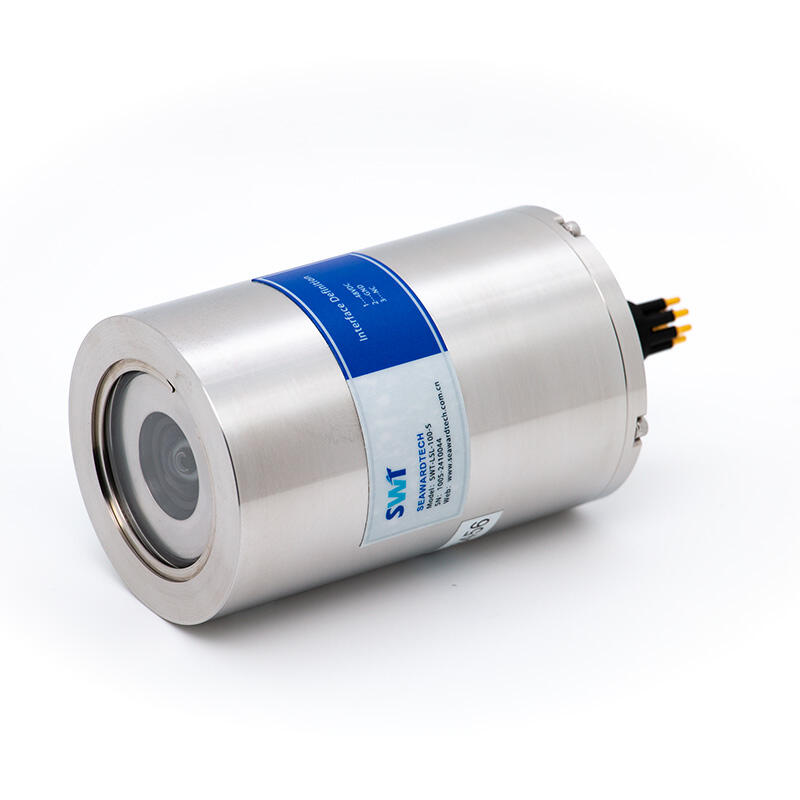
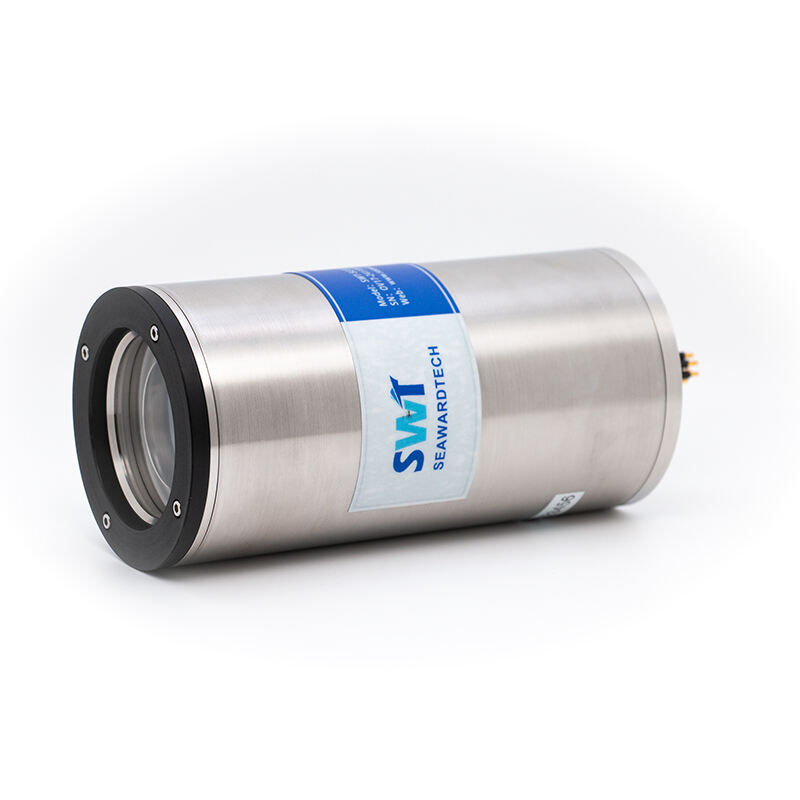
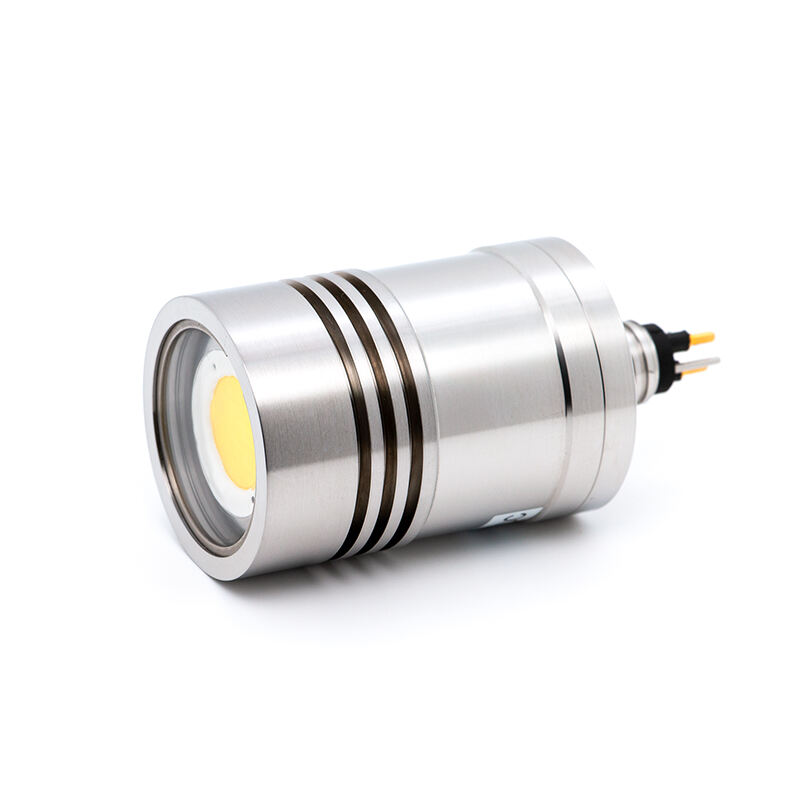
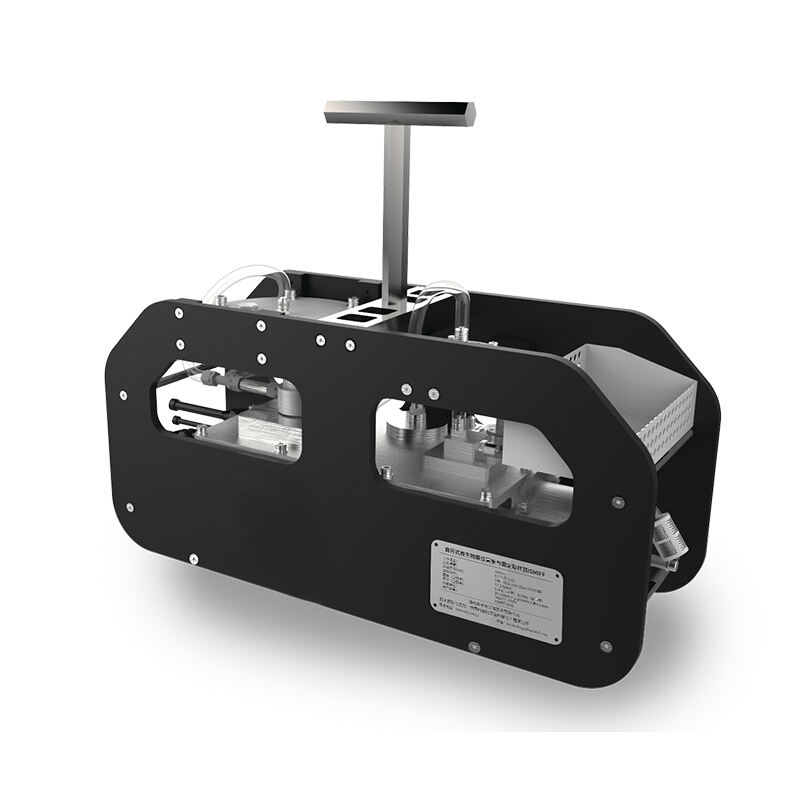
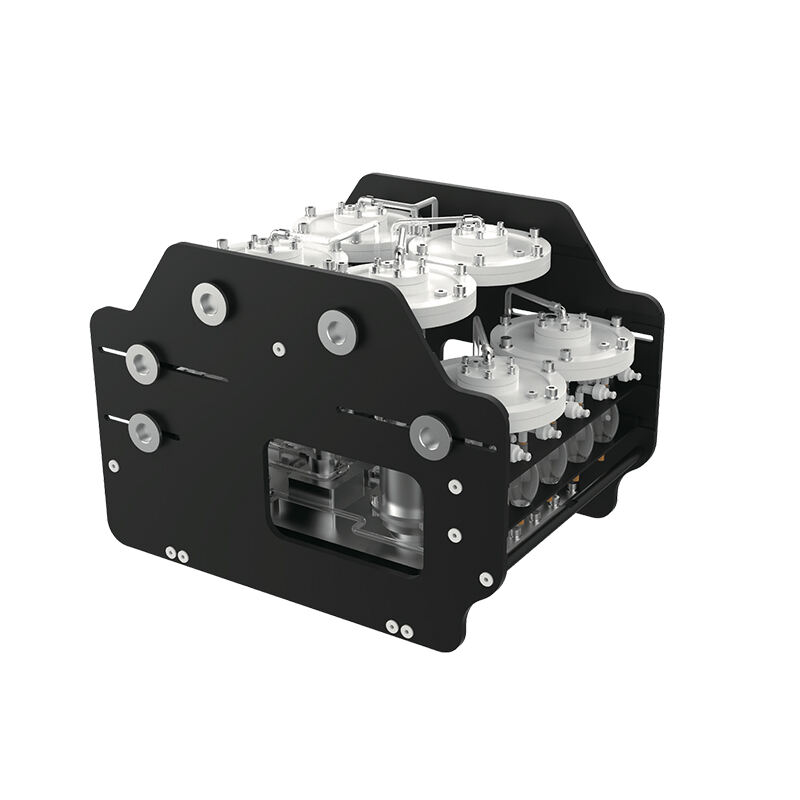
Optical tow body technology is also a fun adventure for scientists exploring the deep sea. The abyssal zone is the largest, at 200 to 6000 meters. It also hides many fascinating creatures and secrets that we still haven’t discovered. Scientists can discover marvelous things concealed beneath the sea surface using tools such as the deep sea optical tow body.
When I used the subsea sampling to find hidden sea life, it was like discovering a secret world of which few people know. This special technology allows researchers to snap pictures and record videos of deep-sea-dwelling animals. One of the kinds of equipment that allows us to see the variety of life existing below the waves is the deep sea optical tow body and from strange jellyfish to colorful coral reef, a new series of videos showcases what the deep sea optical tow body can do.
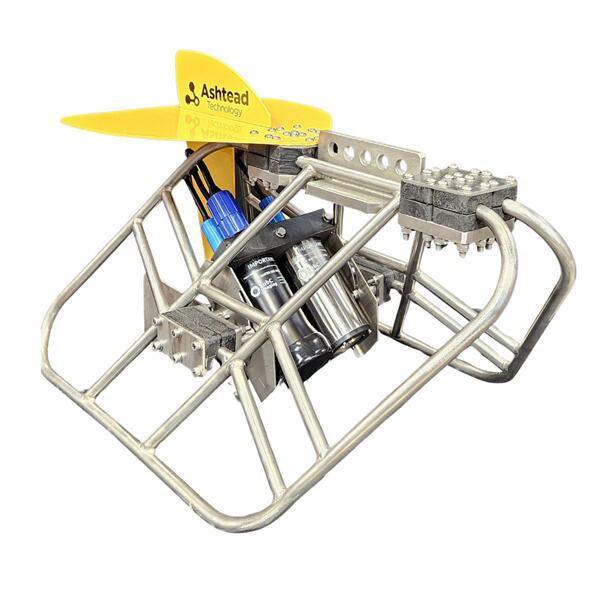
As the deep sea tow body studies the ocean, it will help us understand and protect our planet's oceans. By examining the ecology and behavior of these creatures that live thousands of feet deep in the ocean, scientists have a better understanding of oceanic life balance and the impact of human activity on the sea. The data that is collected with the deep sea optical tow body can also be used in conservation efforts to protect marine life.
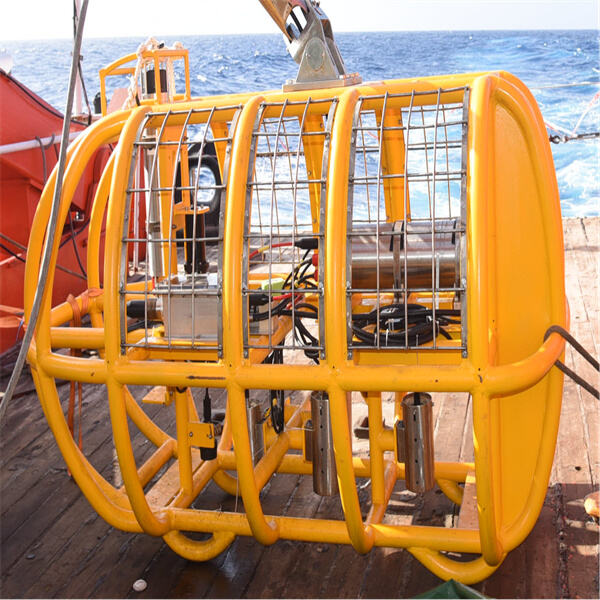
Optical tow body technology used to capture beautiful photos of deep seas allow us to observe the amazing yet complex underwater World. The towed body, equipped with high-grade cameras, can take pictures of underwater landscapes — such as underwater volcanoes and deep-sea valleys — that are breathtaking. These images provide valuable scientific information as well as encourage a sense of responsibility for the ocean’s fragile ecosystems.

Diving down to the dark and unknown depths of the ocean with the powerful deep sea optical tow body is like the flashlight that brings the undiscovered areas of the earth to light. This sophisticated technology allows scientists to discover new species, study underwater landforms and monitor shifts in ocean temperatures and currents. The deep sea optical tow body plays a critical role in advancing what we know about the ocean and allowing exploration of the oceans.

 EN
EN