
 EN
EN
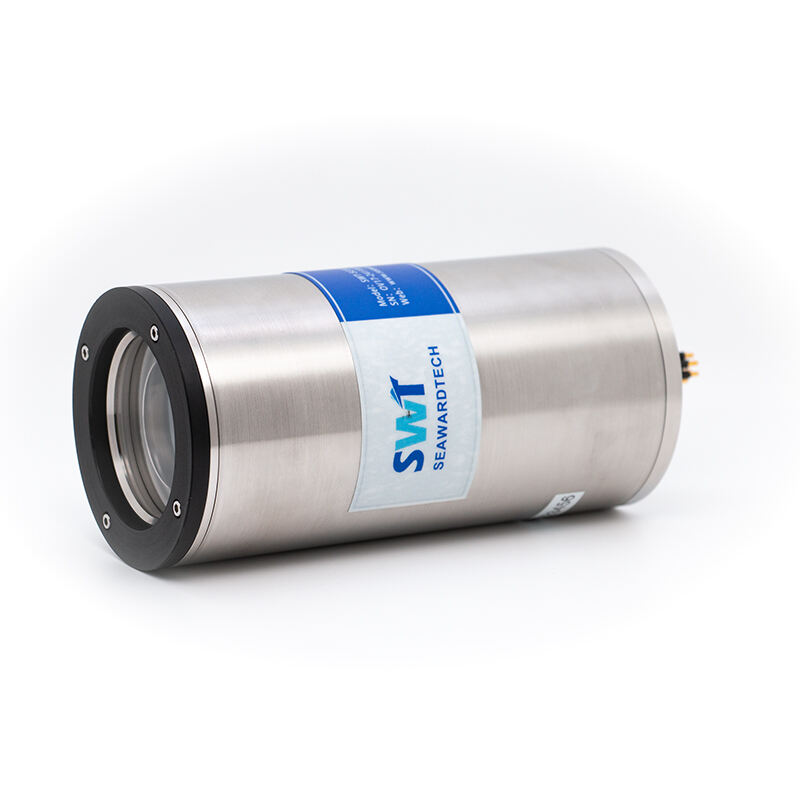
Water conservancy projects using dams, hydropower stations and river diversion schemes endure long periods of underwater use which produces risks that threaten tunnels, revetments, dam bodies, energy dissipation systems and metal structures. We developed modern technology including optical imaging and acoustic imaging and inkjet tracing together with laser measurement to provide precise inspection services and maintenance solutions for underwater facilities. The following text explains facility extension and hidden danger prevention capabilities provided by intelligent detection systems plus evaluates future potential uses of underwater equipment in water conservancy maintenance.
The Current Challenges in Underwater Facility Maintenance
Water conservancy facilities together with hydropower infrastructure experience extreme conditions because they remain constantly exposed to water forces. The persistent contact with water leads to considerable damage to the components. Major components including tunnels and revetments and dam bodies experience four main issues which are scouring and leakage and siltation and structural wear that create integrity problems. Underwater surveillance demands either the draining of water before inspections or requires divers who work at safety risks. Today's innovative technological breakthrough provides a better way to merge accuracy improvements alongside safety enhancements.
Cutting-edge Technologies in Underwater Inspection
Optical Imaging
Optical imaging plays a critical role in the intelligent detection of underwater equipment. Online cameras enable users to evaluate underwater structures by showing signs of damage. Thanks to this technology users can see a detailed overview that enhances their ability to detect and document critical defects including cracks and surface erosion. Timely intervention becomes possible because real-time video feed enables instantaneous assessments to be carried out.
Acoustic Imaging
Diverse underwater settings get detailed visual documentation through acoustic imaging systems which people call sonar. Acoustic imaging functions best when visibility becomes limited because of murky conditions. The combination of water and sediment penetration makes acoustic imaging possible for complete examination of submerged structures. Acoustic imaging provides detection capabilities superior to optical vision by revealing crucial aspects including sediment accumulation and voids because it detects objects that visual assessment cannot identify.
Inkjet Tracing
The process of inkjet tracing deploys environmentally friendly dyes safely into water as a tracking method to identify structural leakages or weak areas. Engineers decipher troubled areas which need maintenance or reinforcement by monitoring the dispersal of ink particles. The technique offers excellent capability to discover concealed leak paths inside intricate underwater structures.
Laser Measurement
Physical distance and dimensional measurements through laser technology form an essential investigative tool for water-based inspections. Deployed laser scanning systems provide the collection of exact geometric measurements from underwater structures. The monitoring of structural changes together with settlement patterns and deformation needs this technology because of its essential nature. The system monitors all modifications irrespective of their size thus offering vital information regarding planned maintenance tasks.
The Benefits of Intelligent Detection Devices
Modern advanced technologies used in underwater inspection procedures produce a variety of significant advantages. Underwater sensors achieve higher levels of safety by decreasing the requirement for dangerous human operational inspections. These modern devices have precise capabilities that enable prompt diagnosis of developing issues to stop minor problems from developing into major system breakdowns. The implementation of intelligent detection devices results in reduced long-term expenses because of preventive maintenance which minimizes the occurrence of high-cost emergency maintenance. Comprehensive data collection features of these technologies support better planning and decision-making processes when performing maintenance activities.
Extending the Life of Facilities
Intelligent detection devices allow water conservancy and hydropower facilities to perform periodic precise maintenance that guarantees their longevity. Practical issue resolution enables facility operators to sustain both structural reliability and operational effectiveness therefore they achieve longer operational durations. The method shows both economical benefits alongside protecting the essential condition of these foundational structures.
Future Prospects
Down the line the implementation of artificial intelligence (AI) with machine learning functions alongside submarine inspection systems will generate advanced improvements. AI enables the fast and precise evaluation of extensive inspection data to reveal patterns and anticipate developing problems that would normally become critical issues. Underwater facility maintenance technology will continue toward full automation because this advancement will boost operational efficiency alongside improved precision and better safety conditions.
Conclusion
Toward a new age in water conservancy and hydropower facility maintenance emerges the technological advancement of optical imaging with acoustic imaging joined by inkjet tracing and laser measurement capabilities. The intelligent detection equipment proves efficient at stopping hidden threats while letting these fundamental infrastructures endure longer service time. The technological developments of underwater monitoring systems show promise toward maintaining critical water management facilities with both operational strength and structural integrity.