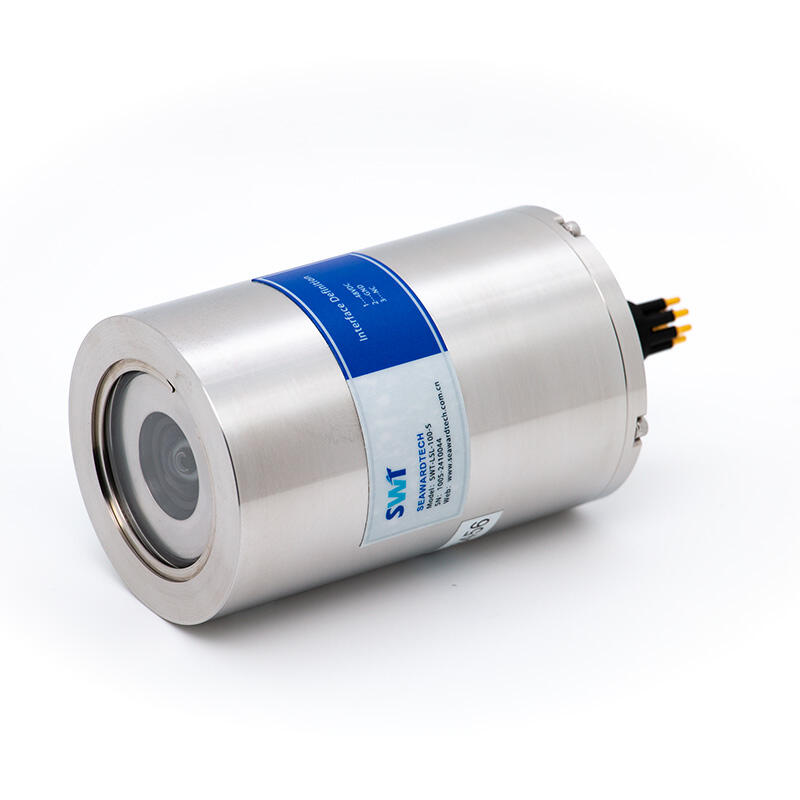
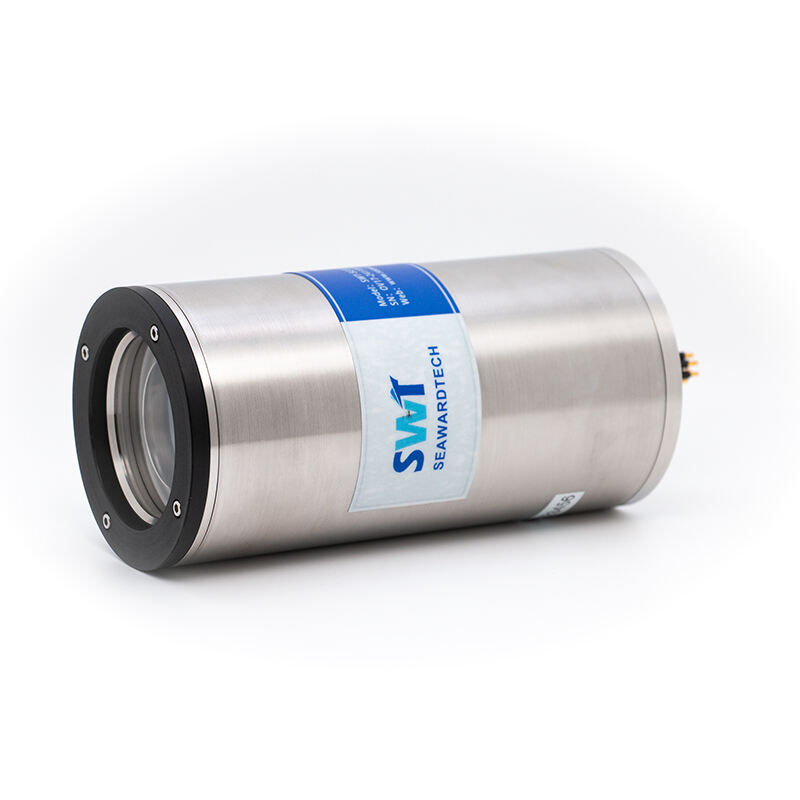
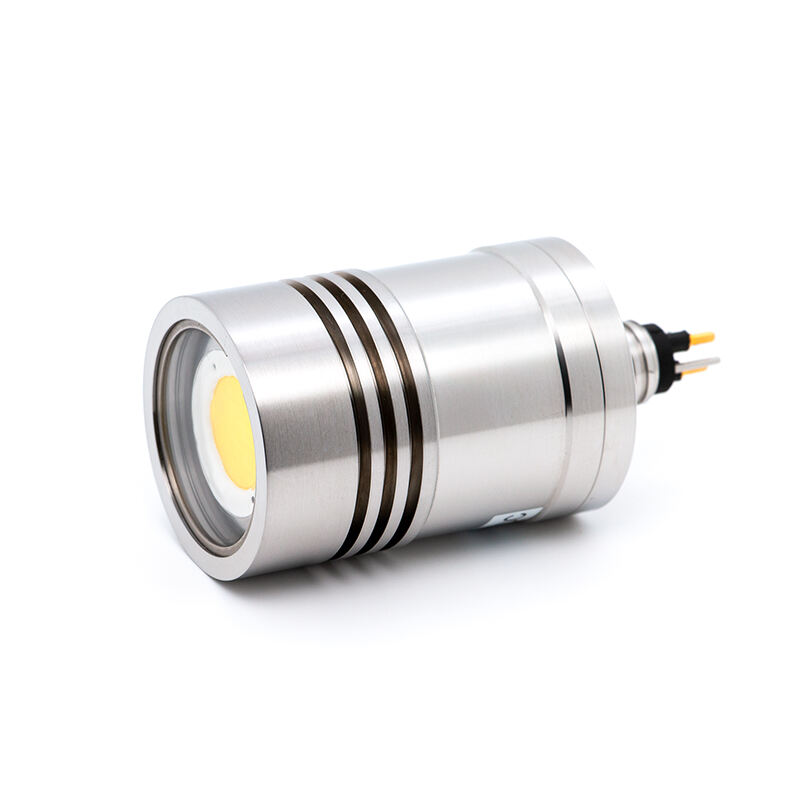
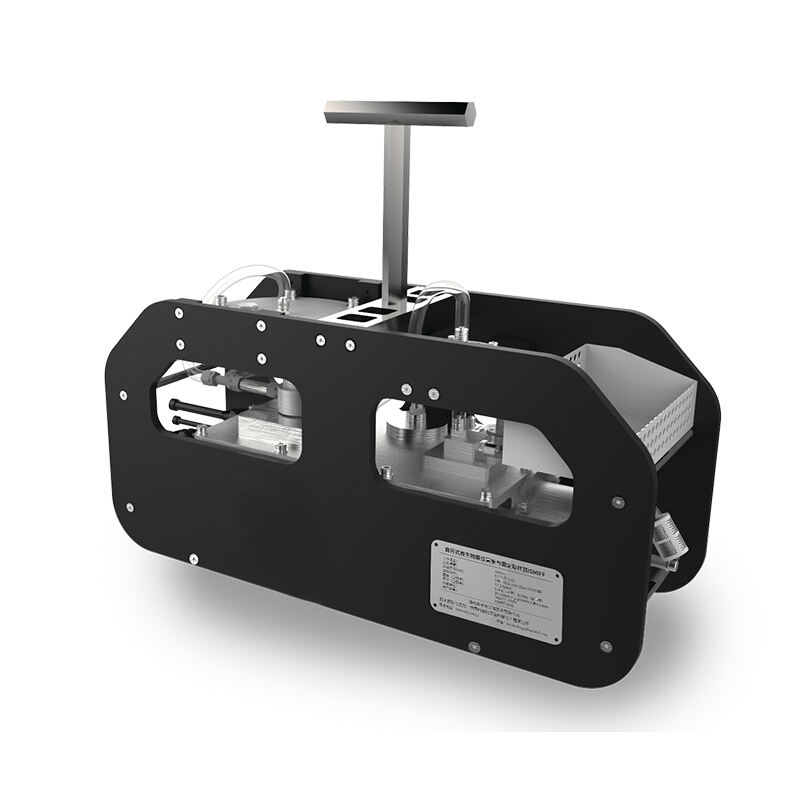
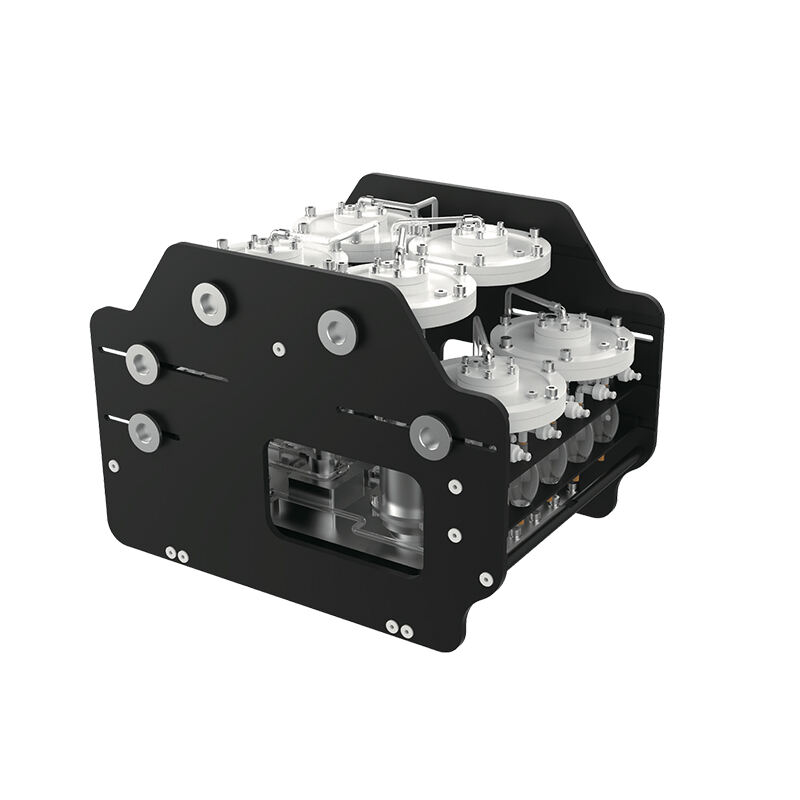
This tool is used to maintain proper buoyancy when diving underwater. For divers it is extremely important, because it allows them to control their position in the water. Seaward is a well-respected brand that produces quality diving equipment, including a spacious quality lead compensator that enables safe, enjoyable diving.
The Freedom of the Water is One of the Allurements of Dive Trips but It is Not Without Risks For divers, one of the main challenges is keeping their balance in the water. Buoyancy is the ability to float, without going under or rising to the surface. Underwater compensators assist divers in changing their buoyancy and remaining adequately submerged. Without a compensator, divers can find it hard to control exactly where they are in the water, which is not only uncomfortable, it is potentially dangerous.
An underwater surveillance camera assists with this by releasing air from a diver’s buoyancy control device (BCD), or injecting it into the BCD. The air is also released from the BCD when a diver wants to descend and causes them to submerge. If you want to go back up, divers add air, which is in the BCD, which is what's going to carry you up. Divers can quickly adjust their buoyancy and remain at depth with little effort using an underwater compensator.
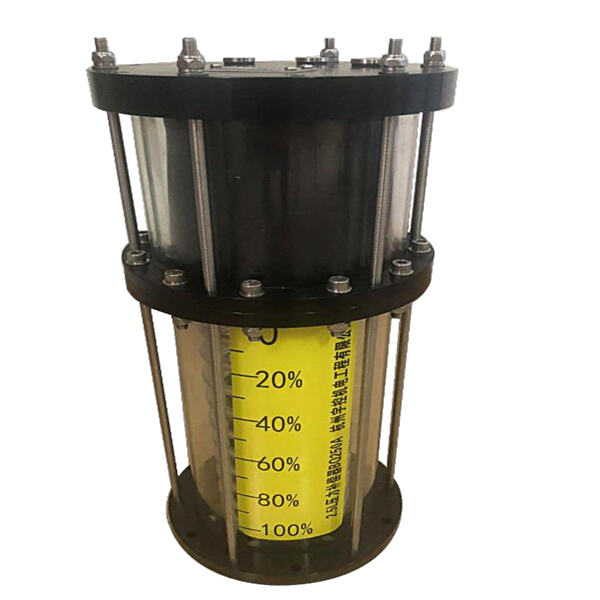
Various essential responsibilities are carried out by an underwater compensator to ensure that diving can continue safely. In addition to keeping divers buoyant, it also allows them to quickly reposition themselves in the water. This is useful when traversing various underwater locations or dodging barriers. In addition, an underwater compensator helps divers to rest and feel fresher because it helps them keep balance in the water.
There are many types of underwater compensators, but they all help the diver controlling their buoyancy. There are built-in compensators to BCDs and there are stand-alone tools that a diver may use themselves. Seaward has a number of underwater compensators available for various diving styles and requirements. Selecting a compensator appropriate to the diver's experience and requirements will provide a safe, enjoyable dive.
Responsibly using an underwater compensator requires practice similar to that of any other diving skill. They should learn how the compensator works, how to adjust their buoyancy. Recreational divers should also frequently check their compensator for correct operation and adjust it accordingly. Conclusion: Proper Usage of Underwater Compensator Ensures Better Diving Experience and Safety Under the Water

 EN
EN