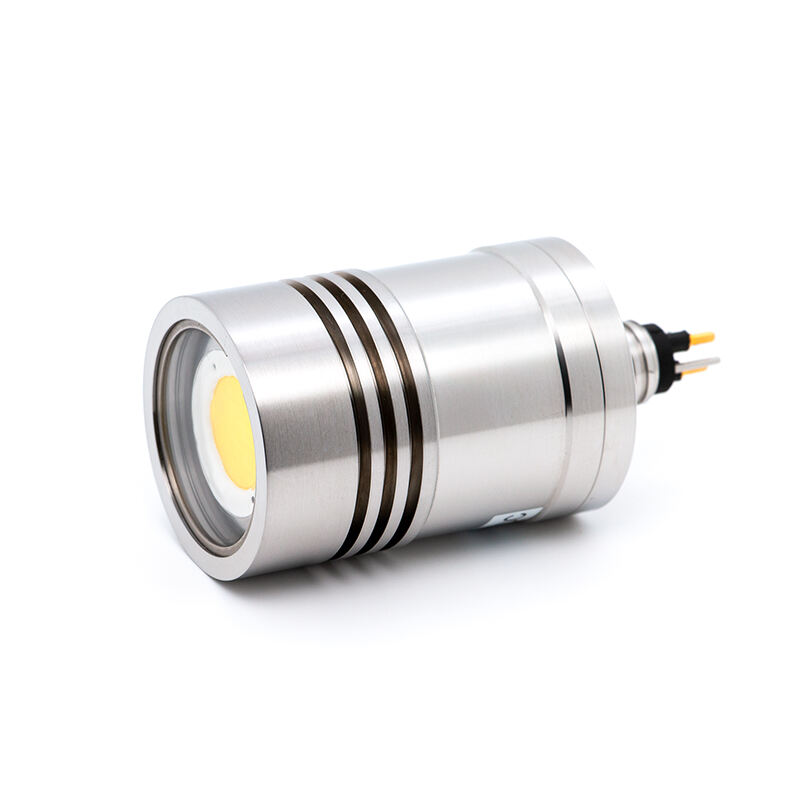
Hi there! Welcome to the fascinating world, that is, underwater sound. Do You Ever Wonder: How Do Scientists Study the Ocean and Talk Underwater? And underwater sound is the secret to decoding all of this!
Underwater Acoustics is the study of sound in water. Sound travels much faster and farther in water than in air. Water is a perfect environment for exploring the ocean. The scientists use special tools to sound and locate sound waves in the water. This enables them to gather further information regarding what lies underwater.
Underwater sound operates by emitting soundwaves through water to transmit and receive information. Sound moves so well through water. They bounce off objects and return to sensors, which aids in creating a clear picture of what is below the surface. hare Zooming in on the sound waves allows scientists to learn about the ocean’s depth, temperature and even the animals that live in it.
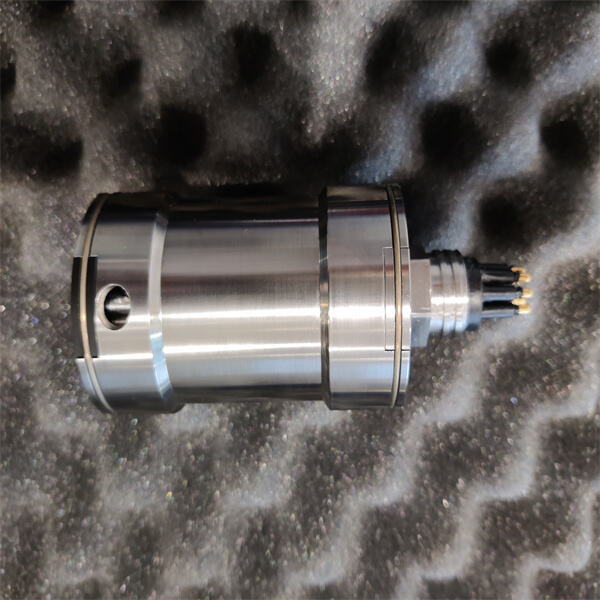
All about sound under the ocean, which is critical for learning about the ocean and the animals in it Scientists can use sound waves to map the ocean floor, track marine animals and even learn about underwater rocks. — This information is critical for understanding the ocean and protecting marine animals.
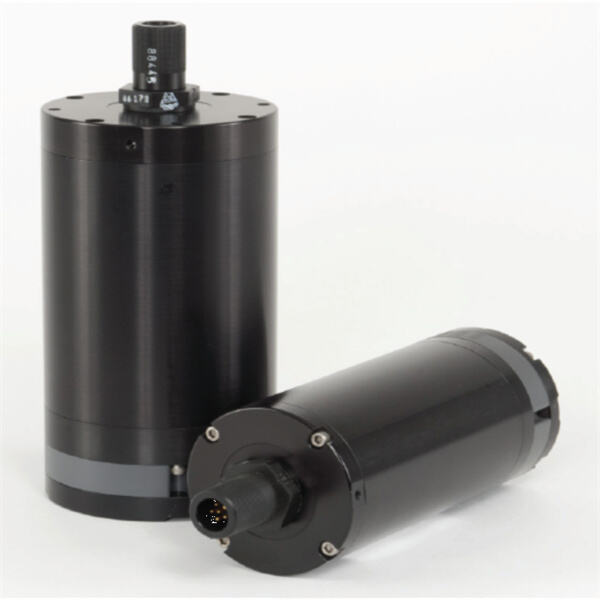
Underwater sound is not only for research, but also essential for talking and orientation. In the vast expanse of the ocean, common means of communication, such as radio waves, are ineffective. Sound has helped submarines, divers, and underwater robots communicate with one another and navigate the dark world beneath the sea.
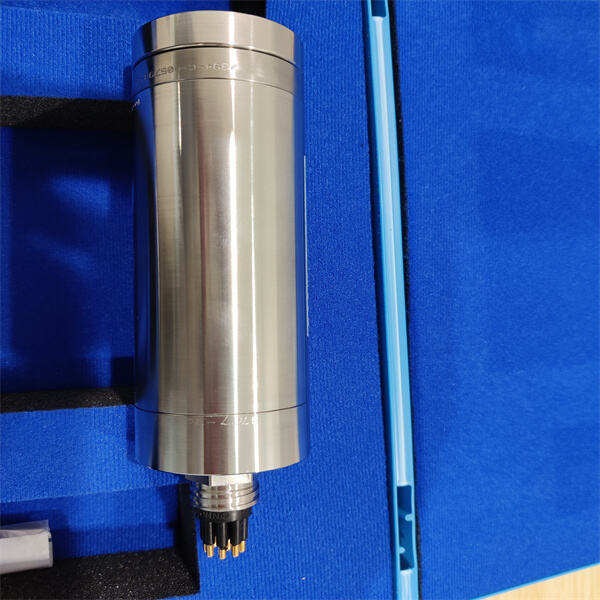
The use of underwater sound can be studied with sea animals. To track movements like those of fish, whales and other marine wildlife, scientists listen to sound waves. This provides them valuable insights into where these animals are living and what their behaviors are. Ocean sounds can tell researchers quite a bit about life in the water.

 EN
EN