The deep sea is an exciting place to go exploring and we need special vehicles, called submersibles, to dive down into the water. These submersibles are essentially underwater cars that transport scientists and explorers into the shadowy realm under the sea. But did you also know that the deep sea is completely different from the surface of the ocean? It’s dark, it’s cold, it’s under a lot of pressure!
When deep-ocean submersibles plunge into the ocean depths they encounter something called pressure. Pressure is the force that pushes on things. The farther you plunge beneath the sea, the greater the pressure it exerts. Deepsea pressure is so intense, it can crush anything not designed to endure it. So, submersible vehicles require special technology to allow them to survive down in the deep sea.
To help submersibles manage the high pressure of the deep ocean, scientists and engineers developed something known as pressure compensation technology. Special materials and a special design are used to protect the submersibles from being crushed by the pressure. Another key aspect of pressure compensation technology is the application of strong materials which can withstand pressure. Part of it is making the submersible such that pressure is evenly distributed over its shape.
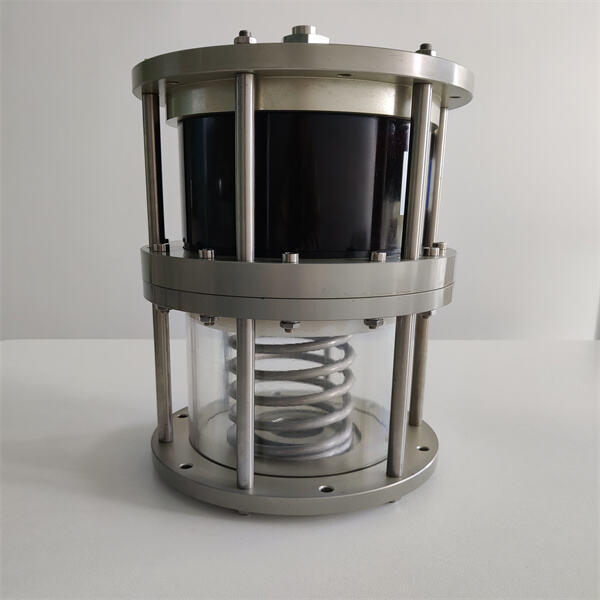
Pressure compensation technology is extremely important for deepsea exploration; it keeps submersibles safe and enables scientists to study what’s at the bottom of the ocean. Without pressure compensation, submarines would be unable to reach such depths to visit the wonderful animals and landscapes of the deep sea. Thanks to advances in pressure-compensating technology, the scientists can now go deeper than ever before to explore the ocean's secrets.
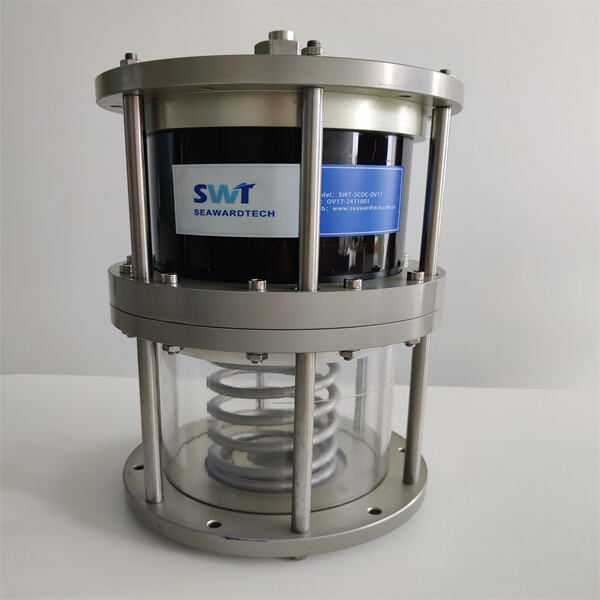
Deep-sea divers also depend on pressure compensation devices to protect them. Divers who ascend too quickly from deep underwater can suffer a condition known as “the bends.” Pressure compensation technology can assist divers in preventing the bends by slowly releasing the pressure as they return to the surface. This means that divers are able to go into the deep sea and come back to the surface safely.
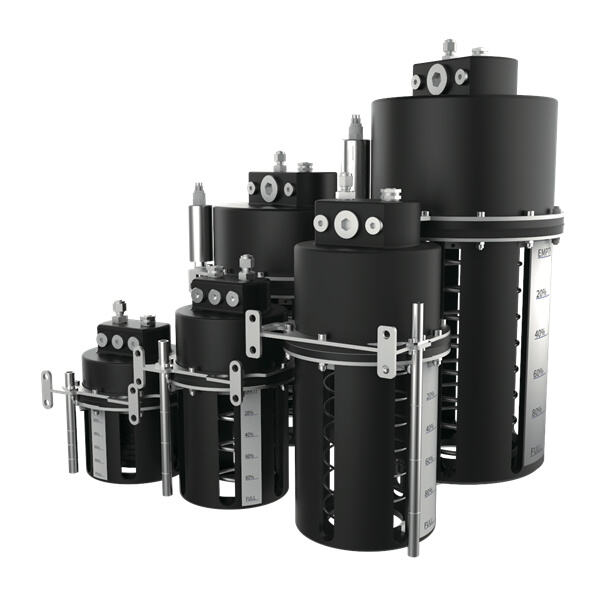
There are a lot of difficulties in deepsea because in the deep sea, you have high pressure. Apart from pressure compensation technology, special methods have been developed by scientists as well as engineers in order to tackle these problems. For instance, deploying robotic arms to gather samples and perform experiments in the deep sea can enable scientists to sidestep the dangers of high pressure. By cooperating with one another and employing new technologies, deepse a explorers can keep expanding the realm of what is possible in the deep sea.

 EN
EN