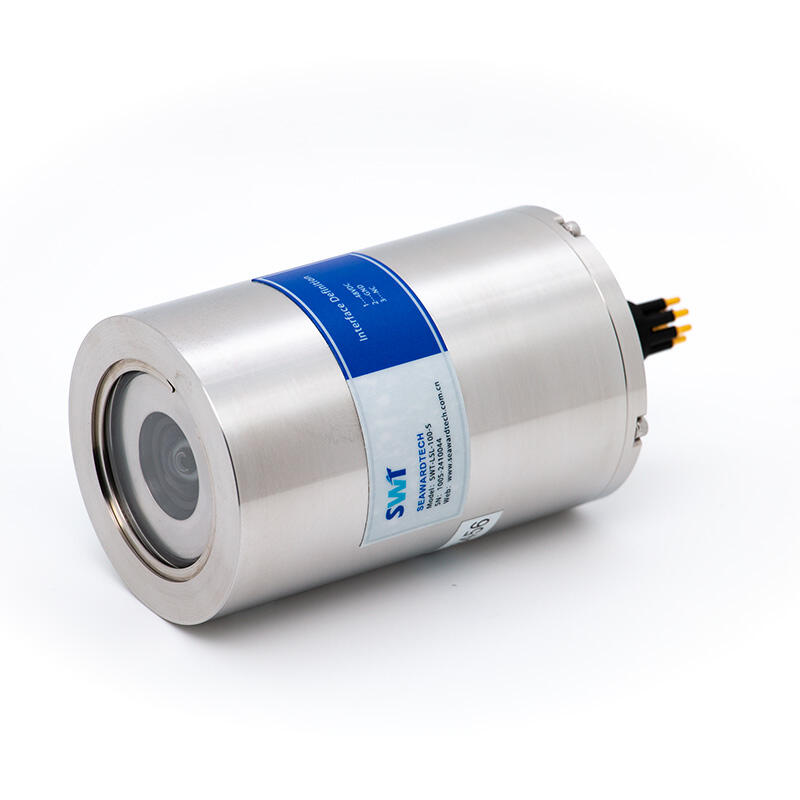
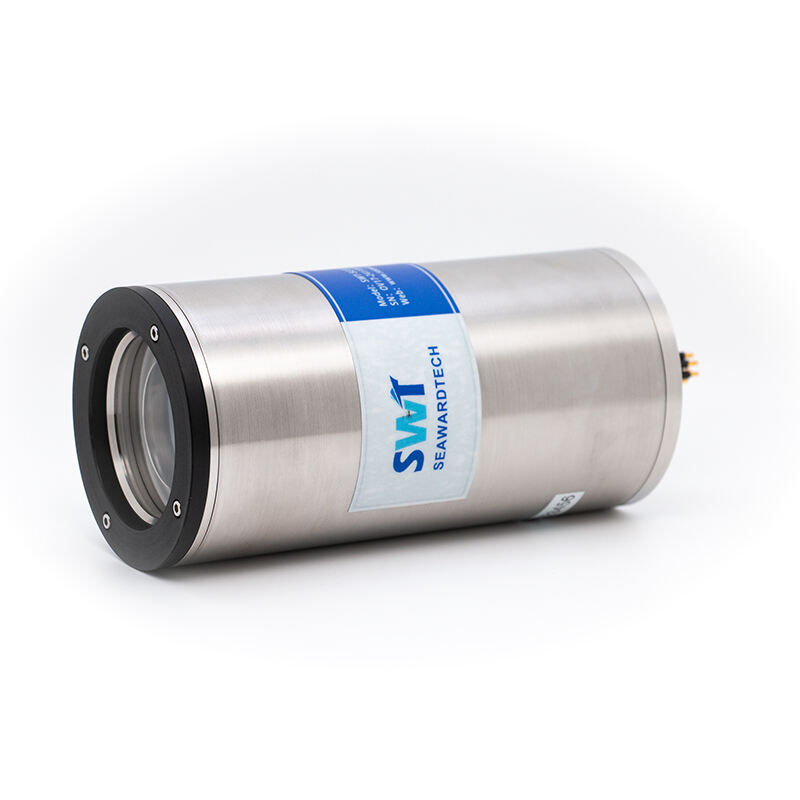
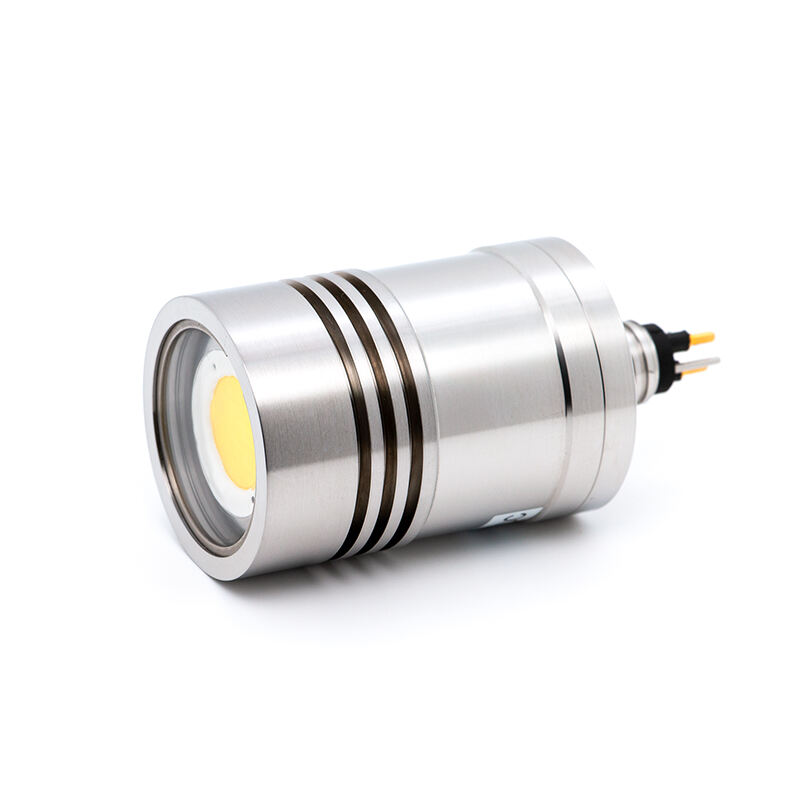
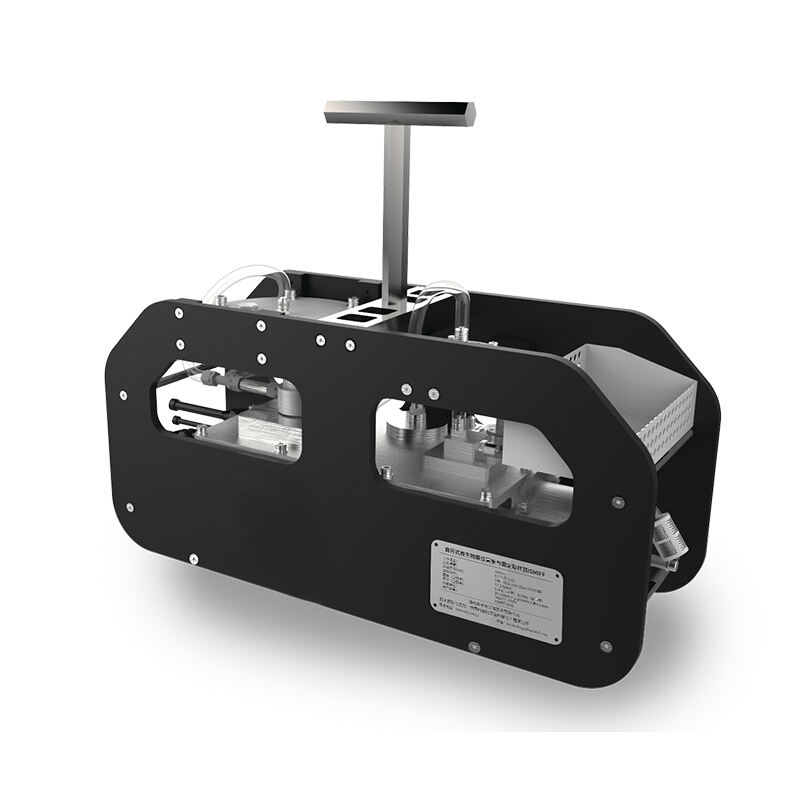
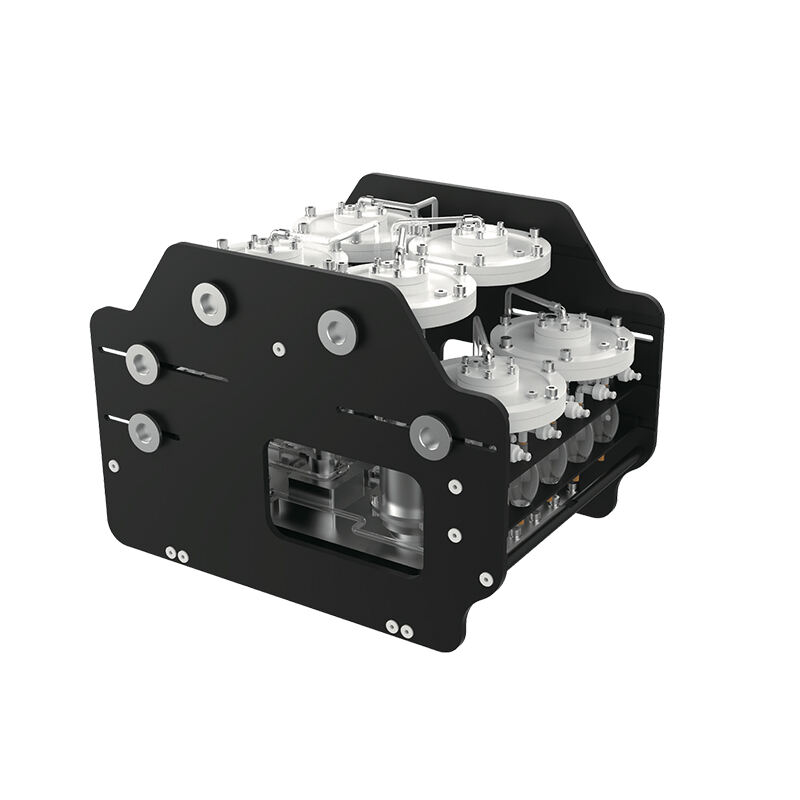
A scoop for bottom sediments (in situ) A tool that scientists use to sample the bottom of the ocean. Scientists use this tool to examine the layers of sediment, which are small bits of rock and other materials, that have formed on the bottom of the ocean over the course of many years. Let’s find out more about how underwater torque wrenchs work and why they’re important for understanding ocean life.
Bottom sediment samplers primarily serve to extract sediment from the bottom of the ocean. Sediment consists of small fragments of rocks, minerals, and other materials that have settled on the seafloor. Examining these sediments, scientists can learn more about the ocean’s past and its ecology. Bottom sediment samplers are designed to retrieve samples without disturbing the surrounding area.
Bottom sediment samplers help scientists unlock the secrets of the ocean floor. As scientists analyze the samples they gather, they are able to learn more about how various deposits of sediment have built up over time. They can also analyze the tiny organisms that inhabit the sediment and the chemicals in the water. Scientists will then be able to compare these two data sets, allowing us to understand how the ocean has changed over time and how human activity is affecting the ocean.
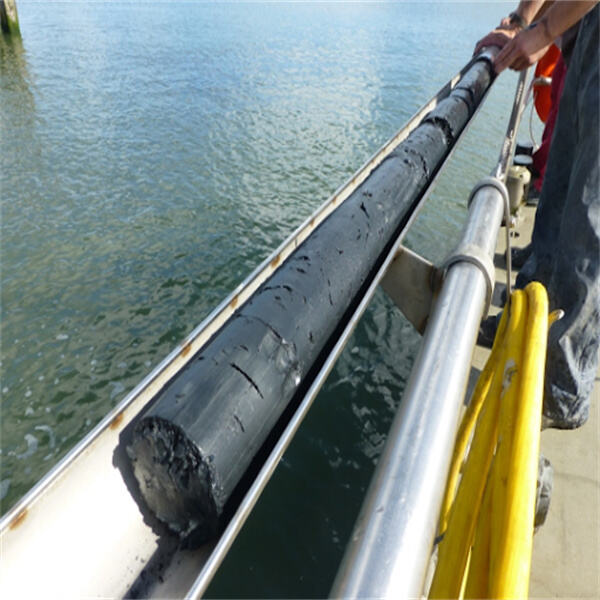
Gear useful in ocean ecosystem science Bottom sediment samplers Some scientists can compare individual terrains and the things living there by taking samples from different locations across the seafloor. This allows them to detect patterns and trends in marine ecosystems and how they are linked. Bottom sediment samplers also allow scientists to monitor the health of ocean ecosystems and detect change over time.
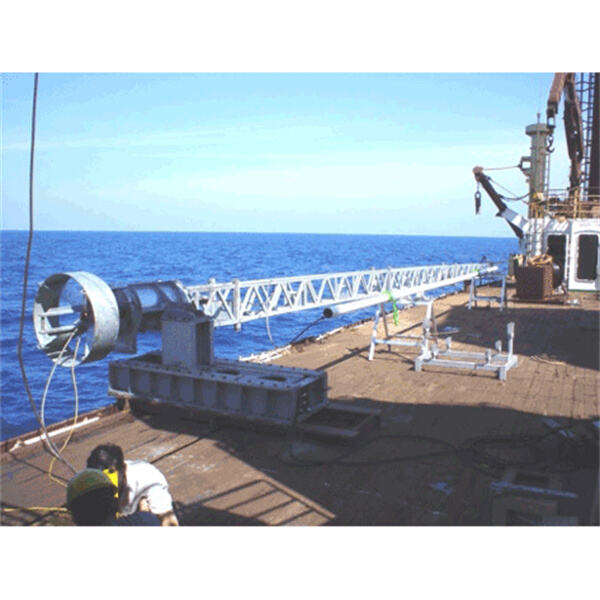
Sediment samplers are valuable tools; they help scientists get samples from difficult-to-reach locations. These samplers, designed for grabs of ocean floor sediment, have special sections that can reach into the sediment without impacting the ecosystem. This matters because it enables scientists to examine the natural condition of the sediment and the residents inside it. Sediment samplers can also assist scientists in obtaining information that can be used to make informed decisions about protecting marine organisms.
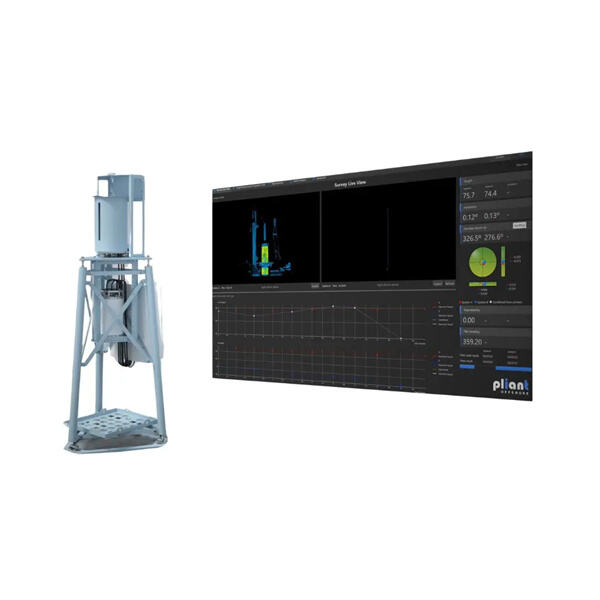
November 01, 2023Written by Scientists return to MAC without a cargo ship. Their samplers help scientists gather key data that can be used to protect marine environments and keep biodiversity safe. Analyses of these sediment samples can reveal information about the history of the ocean, influence of human activities and health of marine ecosystems. Bottom sediment samplers are amazing tools to help us uncover the mysteries of the ocean floor and guarantee the health of our oceans for future generations.

 EN
EN